
 Music
Music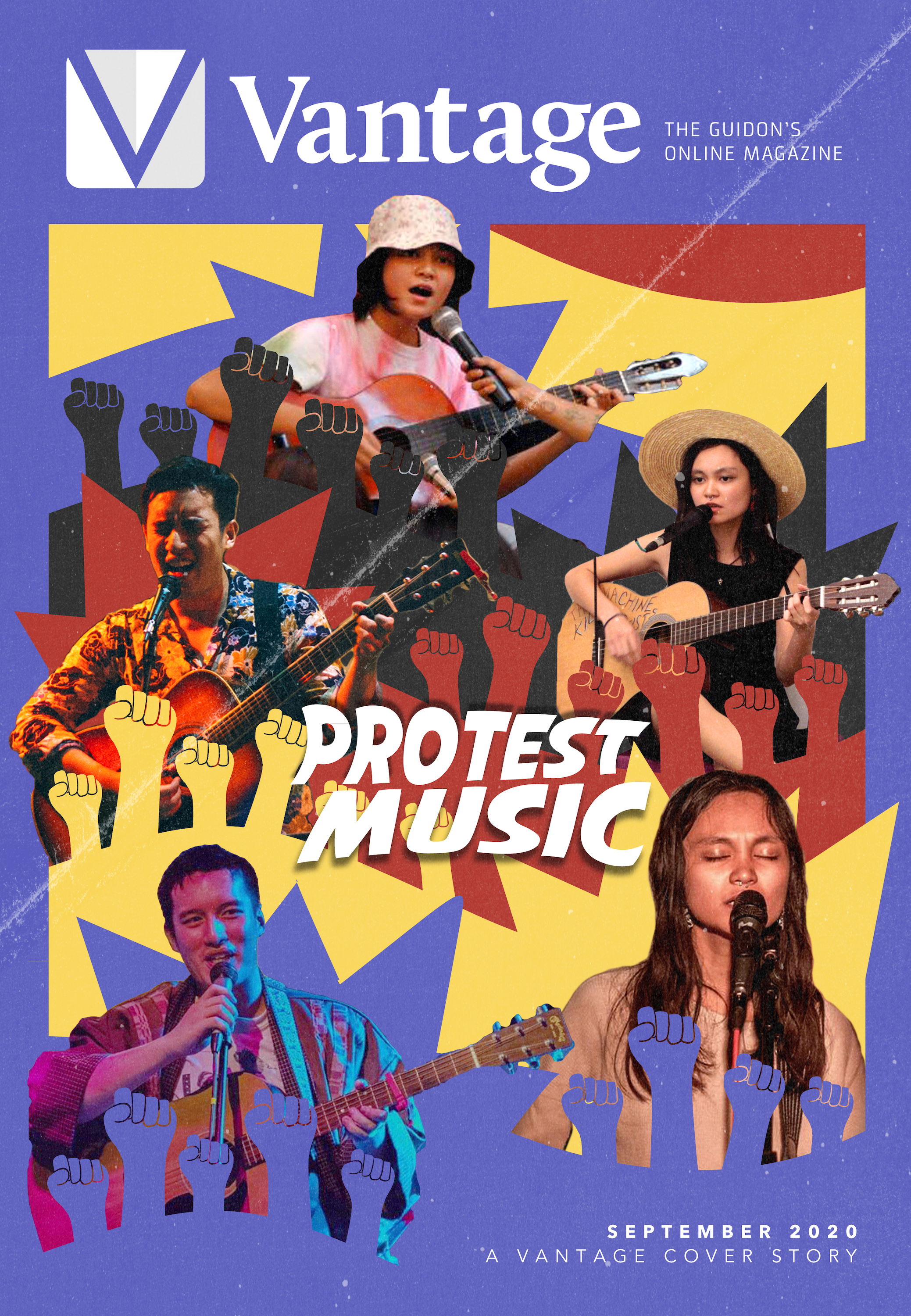
It’s no secret that music is widely used as a form of expression, often reflecting human experience. Many artists write about how they feel or what they know, whether this is love, loss, or friendship. This is why artists often turn to protest music when wishing to express their views on society.
As social and political grievances multiply daily due to faulty societal paradigms and government inaction, protest music has become increasingly relevant. This form of protest art continues to fuel important discussions on national issues such as human rights violations, historical revisionism, and extrajudicial killings.
With protest music amplifying the voice of the people, both artists and listeners are challenged to take active part in political realities through the local music scene. The narratives of those behind the music explain how this is made possible.
The story behind the sound
Today, protest songs can be heard in any genre—whether folk, classical, or pop. However, the problem of visibility and promotion remains. “Protest music isn’t something everyone wants to listen to,” explains singer and songwriter Carlos Sison. “Sometimes people avoid things that make them uncomfortable—actually, [they avoid it] most of the time.”
In addition, artists face the challenge of receiving backlash from those who don’t agree with their political views. “That’s the fear for artists, you will really alienate certain audiences who don’t feel the same way,” he adds.
In the midst of uncertainty, however, protest musicians adapt to make the most out of any circumstance. “I have lots of ammunition to write about because there’s always so many new things going on. Sometimes the emotion of it forces so much creativity out of me; [music is] sometimes my only emotional output,” remarks Sison.
Sison divulges that music production during the pandemic is challenging, but he continues to write as many songs as he can. According to him, ranting on social media is simply not enough anymore. Music production, in his opinion, is the one way for him to feel satisfied about taking a stand.
Though there are challenges for musicians within current political and social contexts, these hurdles become a learning experience. “[I keep my music political] by continuing to educate myself about our conditions, issues, and struggles, trusting the community I belong in as well as those I am surrounded with, and listening to while learning from people’s stories,” states musician Alyana Cabral.
She shares that involvement with activists and other artists within the same genre impacts her creativity. Through every song she releases, Cabral hopes to let her work “speak more unapologetically” as present turbulent times call for involvement and organization in social movements.
Protest music in the local scene
“Protest music comes in many forms and genres, and the message behind it is really what’s important,” Cabral shares. The essence of the songs come from their lyrics since they typically echo the sentiments of the Filipino people—their desires, aspirations, and frustrations. According to Cabral, music when used as protest can help uphold human rights and voice the plight of the oppressed.
“How can the music tell these stories of ordinary people that are rarely heard on the news or anywhere?” questions Cabral. “This is how music can speak the truth.”
Aside from Cabral Sison, various other Filipino musicians have also stepped up to produce politically-fuelled music. These include the likes of Calix, BLKD, and Tao Aves, who have rapped about the effects of the war on drugs and the need to combat fascism. Even mainstream music is catching on. Rapper Gloc-9 is one good example, with his socially-fuelled track Dungaw. In some verses of the song, the hip-hop star questions the existence of poverty, hunger, wealth inequality, and injustice in the Philippines.
“The big driver of why protest music exists, and why it continues to be such a thing, is because there’s always some sort of suppression from a powerful side,” Sison says about their ever-growing community of protest musicians. “Right now we feel it, or we’re definitely starting to feel it.”
Amplifying unsung voices
To work towards dismantling structures of oppression, the experiences of those who are oppressed must be shared. In an effort to augment the conversations surrounding the circumstances of the underprivileged, musicians turn to protest songs that urge for positive change. Artists continue to hope that their efforts can serve as a stepping stone that sets a path towards striving for better, within their community of musicians and even beyond it.
“Whatever the next step is, hopefully, music is what inspires someone to take it. The important thing is sharing, listening, and trying to do more—in whatever way, we all have our different ways,” says Sison. “Not everyone can write a song, not everyone can sing, but everyone can do something, whatever that is […] Hopefully, music helps.”
At the end of the day, it will always be more than just a genre of music. Cabral encourages listeners to go beyond simply listening to a song. “[People can support protest music by] sharing songs to their friends, interacting with the musicians themselves, learning from their messages, and spreading it to their own communities. Most importantly, [a way to support the movement is] by joining the struggle of our people.”