
 TV & Film
Trigger warning: This article contains mentions of sexual harassment, rape, and violence.
GORY AND grotesque in nature, the horror genre could easily be perceived as an unwelcoming territory for women-centric stories. Slasher films in particular have a historically problematic relationship with sex and violence. “Final girls” in horror films are often women who tend to be less sexually promiscuous, consequentially associating sexuality as a disadvantage in a female character’s survival. On the other hand, there have been butchered attempts at creating female-centered stories like I Spit on Your Grave (1978), which include painfully drawn-out scenes of rape and abuse.
Beyond the bloodbath, there has been an emerging subgenre used to deepen our understanding of the growing pains and shame attached to girlhood—body horror. The subgenre focuses on the mutilation, transformation, or destruction of the human body that can be caused by both natural and supernatural forces.
While other subgenres are able to create compelling stories on girlhood, the focus on a woman’s physical transformation reclaims a realm that has relished in her physical abuse. It also uses her metamorphosis to reflect the evolution of her internal self—how she changes and becomes—ultimately having the teeth to challenge how we understand growing pains.
Telling the unpretty stories
Teen girl coming-of-age movies follow a common hyper-feminine aesthetic. Viewers are far too familiar with the glitzy glamor of Elle Woods dawning her all-pink outfit in Legally Blonde (2001), or the Plastics gossiping in Regina George’s mansion. While they still manage to depict the aggression and angst of girlhood, its porcelain white finish is hard to ignore. Though these characters can transmit the vulnerabilities of being female, they can compel women to view their experiences through a specific, idealized lens.
In an attempt to portray the multifaceted nature of female pain, directors like Julia Ducournau have utilized body horror to redefine the coming-of-age concept. Her debut film Raw (2016) depicts college freshman Justine’s unraveling cannibalism. Justine’s desire for meat parallels her journey of finding herself within her college community. Alongside her unprovoked cannibalistic sister, she navigates her sexuality and attempts to forge intimate relationships.
In between these toe-curling sequences, Ducournau establishes an intimate bond between the sisters. The audience is constantly reminded of their humanity through the scenes of Justine and her sister’s late nights on the rooftop and their petty arguments over Justine’s conservative fashion style. That way, gore functions as a vantage point for understanding the intrinsic connection between female shame and sexuality. It expounds upon the depth of female pain not fully captured by other genres. As a result, Ducournau’s use of body horror isn’t merely a cheap thrill; rather, it becomes a storytelling medium.
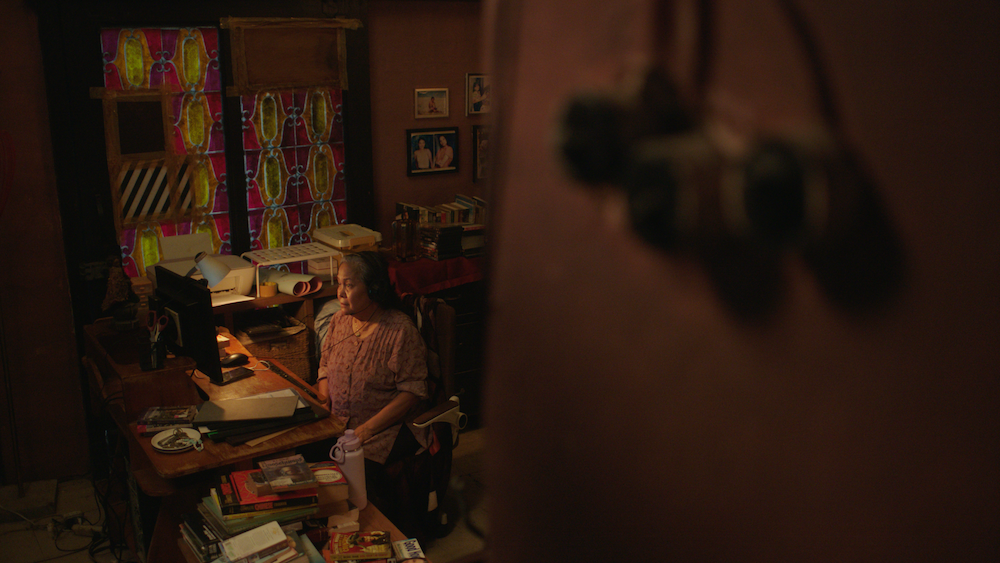
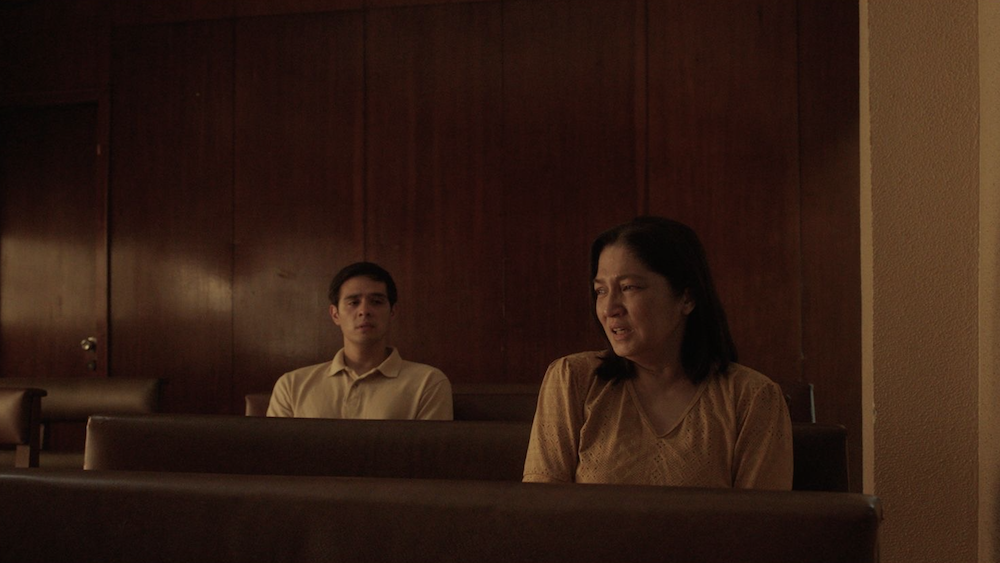
Body horror has also made its mark in local cinema, creating stories within Philippine culture and society. A recent example of this is the Kenneth Dagatan-directed film entitled In My Mother’s Skin (2023). The story revolves around a young girl named Tala, who makes a deal with a deceitful flesh-eating fairy to cure her ailing mother, Ligaya. While she looks to the fairy for guidance, Tala’s choice causes her mother to undergo a gruesome transformation. It becomes the crux of Tala’s naiveté and a reminder of the innocence she was forced to outgrow. In the film, the pressure placed on Tala reflects the weighty burden young girls must face in a family-oriented country— albeit with a lot less fairytale magic.
A monster emerged
Despite the clashing history of gender and the genre, horror’s subversion to the norm makes it an apt means to spotlight the gnarly growing pains of womanhood. This approach, however, poses a responsibility for filmmakers to teeter the line of deglamorizing the feminine experience without further stigmatizing it.
A popular example is the film Carrie (1976), directed by Brian De Palma and adapted from Stephen King’s eponymous novel. The coming-of-age struggles of the titular protagonist bring out the darker, bloodier side of female puberty—especially in relation to changes in the body. The same situation could be observed in In My Mother’s Skin. As a Filipino filmmaker, Dagatan effectively utilizes cultural imagery by retelling local folklore and fusing it with Philippine history, adding vibrance to the entrancing story. However, the mother’s grisly physical changes were simply a result of being victimized by a series of unfortunate events rather than a more nuanced portrayal of her turmoil.
Despite the film having a predominantly female cast, In My Mother’s Skin could run more or less the same even if it were not female-led. The film does not have much to unpack in regard to the characters’ unique experiences as girls and women. As a male-produced narrative, the film falls short of understanding the intricacies of female-specific pain and inevitably minimizes it to a shock value tool. While representation remains important, so is the nuance of its use and purpose.
In essence, writers are challenged by the paradox of body horror: the depiction of the internal state by physically altering the appearance, but in a way that is necessary to the character’s portrayal. Because of this, the subgenre has the potential to shift the public perception of female pain by showcasing its flexibility while empathizing with the experience of women.
Reclaiming your body, part by part
By nature, women-centric body horror films emphasize the grittier and unpolished aspects of the female experience in a way that brings catharsis. It forcefully veers the audience away from the idealized image of a blossoming woman by integrating gore, blood, and monstrosity into the narrative. With this, the viewer is made to navigate the haunts of feminine dread through its storytelling.
While this approach subjects audiences to a newer form of grotesque, body horror driven by female pain also gives women the avenue to retell their anguish from their own perspective. Taking back the feminine narrative is also an act of reclaiming their bodies, distancing it from the media’s typical representation of women as objects of desire.
Underneath the vicious carnage, body horror recognizes the woman’s flesh as one that is pulsating and alive—granting her the power to overthrow its history of romanticizing abuse by morphing into a reflection of what it means to be a woman.