
 Exposé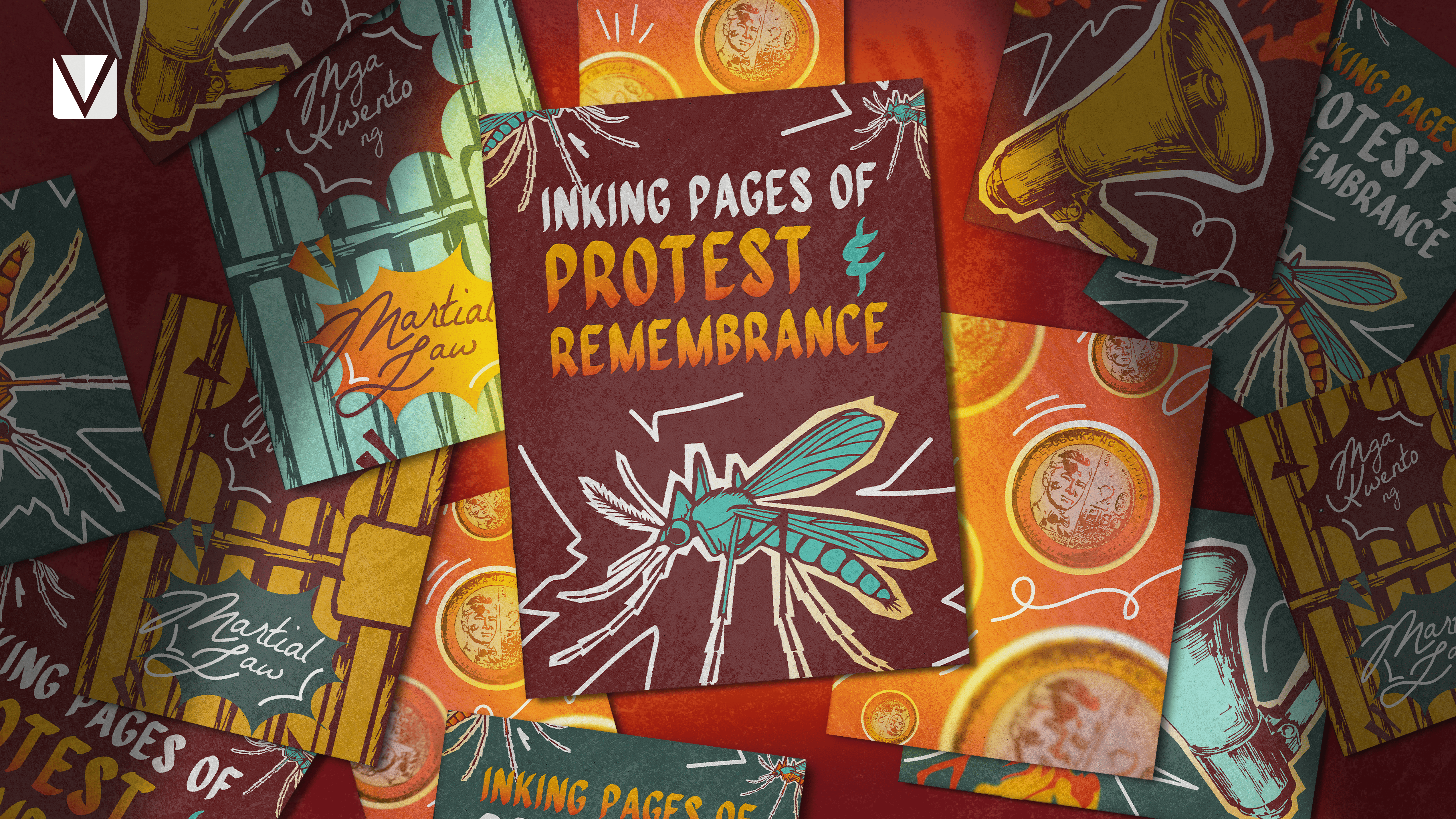
THE NATION’s memory is struggling against historical revisionism. Despite decades-long efforts to preserve our past, the crimes of the Marcos dictatorship continue to be distorted by the current administration. To resist this erasure, an uncensored channel for artists emerged in the 1970s and continues to thrive today in the form of zines.
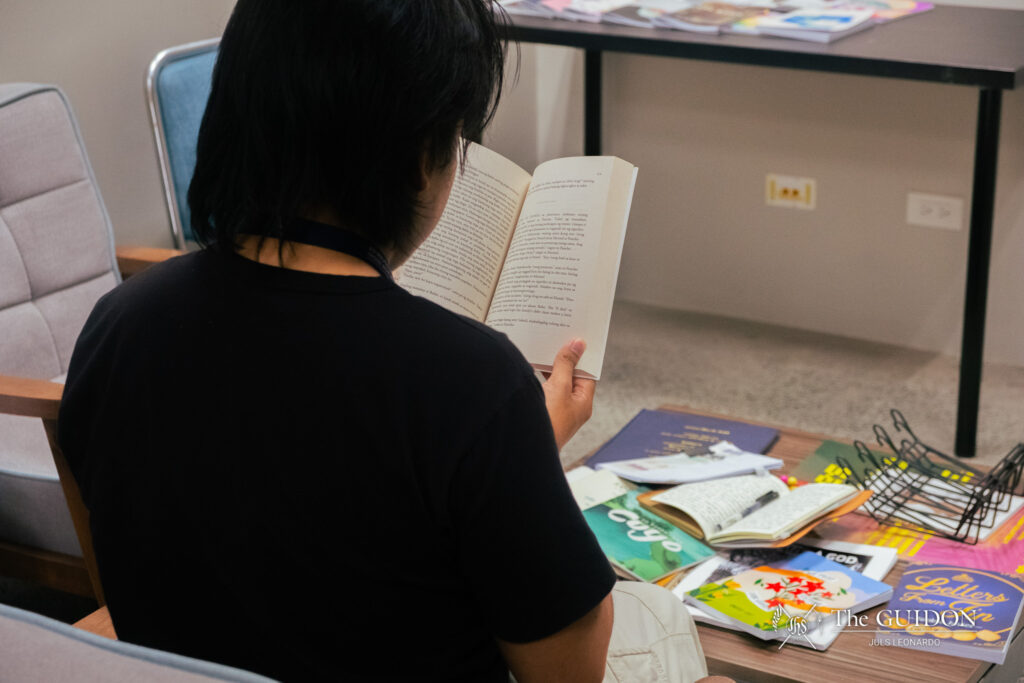
Zines are independently published works by artists that come in the form of folded and bound paper. Small but honest, they have become instrumental in compelling readers to learn about the past and current injustices in ways mainstream media outlets cannot, protecting stories that would have otherwise died quietly in a newsroom.
As these stories are erased, it’s easy to forget the scars of Martial Law. When memory fails us, zines serve as the physical mementos that keep the past alive in people’s minds.
Small but important freedoms
When late dictator Ferdinand Marcos Sr. declared Martial Law and banned mass media companies from criticizing the government, alternative media outlets responded against this censorship. Coined as the mosquito press, independent publishers and artists fought to maintain freedom of speech and the right to protest.
Through underground publishing, artists and activists were free to use vulgar language and provocative imagery. Thus, many organizations and dissenters turned to zines—originally used by niche subcultures such as the Filipino punk rock community to share aesthetics and ideologies—as a platform for amplifying protest. This shift transformed low-cost zines into powerful vehicles of dissent.
Nina Martinez, Filipina artist and Assistant Professor at Willamette University’s Pacific Northwest College of Art, explained that zine-making is inherently a grassroots art form since it only needs a small budget to produce and distribute. Free from the confines of a large corporation or government entity, authors and publishing houses have built their own community outside of mainstream media.
This small window of liberty, packed in between handmade pamphlets and pages, is a defiance against the iron-fisted government that gripped the nation. Bente-Bente Zine Founder Edbert Darwin Casten explains that zines exemplify freedom and collaboration, as multiple authors can showcase their own voices into one booklet alone. “Maganda siyang tool to spread information, pero maaari rin siyang maging harmful dahil nga sa kalayaan niya,” he expounds.
(It’s an effective tool to spread information, but it may also be deemed dangerous because of this very freedom.)
By circulating and documenting the country’s conditions during Martial Law, zines blur the line between publication and artifact. Not only are protests and information disseminated through these zines, but they are also preserved as proof of the injustices that occurred during this period. As Casten points out, zines hold an archival value that is much harder to tamper with and distort. Once they reach the hands of a reader, zines can be hidden and stored away without the risk of digital suppression and editing by the state.
“Ayaw natin mamatay ang kuwento ng Martial Law. Kaya ang pagpiprint ng zine ay isang paraan para ipaalam at ipaalala ang mga nangyari,” Casten upholds.
(We don’t want the stories from Martial Law to die out, which is why zine-printing is a way to memorialize and remind people of what happened during that time period.)
In today’s world, where digital media is levied against the masses through misinformation, zines serve as a thumbprint of the stories and voices that have been muddied with time.
Present refusals to rewrite the past
As zines endure as a potent and accessible medium of information and defiance today, their influence relies on the public’s ability and opportunity to read.
According to the 2023 National Readership Survey, Filipinos spend an average of less than an hour a day reading. National Book Development Board chair Dante Ang II attributed this to the limited access to books, a shortage of libraries, and the high cost of reading.
Casten echoes this sentiment, emphasizing that Filipino readers aren’t lazy, since the real issue lies in the accessibility and affordability of reading materials. This is what makes zines, with their grassroots nature and affordable prices, vital not only for preserving historical truth, but also for driving political and social reform.
One such publication is Bente Bente Zine, founded in April 2024 with the concept of “20 authors, 20 Pesos.” By keeping production costs low, 25% of the earnings go directly to the authors. Casten adds that their ultimate goal is inclusivity in their releases.
“Every volume, nagpapakilala kami ng bagong boses. May mga mula sa hanay ng mga babae, LGBTQ, trans, [at] iba’t ibang komunidad,” he states.
(Every volume, we introduce new voices. There are voices from women, the LGBTQ community, trans individuals, and other various communities.)
This grassroots approach reflects the very essence of small press publishing, where people themselves write, produce, and distribute their own work. Martinez affirms that zines are subversive tools against historical revisionism precisely because they bypass censorship. Unlike commercial publishing, which often filters out content critical of those in power, zines and other small press initiatives offer a platform for marginalized voices to speak out and challenge dominant perspectives.
This resistance through zines is manifested in her comic Dawwang (Let the River Flow Free), where Martinez exposes the harm that Ferdinand Marcos Sr.’s infrastructure projects inflicted on indigenous communities and the state violence that he used to suppress opposition. Published by Gantala Press, an independent and non-profit Filipina feminist publisher, Dawwang tells the story of a Kalinga leader whose tribe defied the construction of the Chico Dam during the Marcos dictatorship. This project would have flooded their ancestral villages, threatening their way of life and cultural identity.
As an illustrator, Martinez breathes life into the memories of those who lived through these struggles. Combating revisionism means telling the truth, and when photographs or videos from the time are unavailable, illustrations become a powerful instrument to revive these stories and carry them forward to new generations.
Beyond individual reflection, zine-making also fosters a strong sense of community. Even with differences in language or background, readers often find a common connection through the visual and narrative elements of zines, especially those set in specific historical periods. The setting might resemble their barangay, the characters might look like people they know, or the experiences might feel intimately familiar. Martinez sums up this communal bond by highlighting that every zine offers Filipinos something to hold onto—a reminder that despite differences, they are connected by a shared history that transcends generations.
This sense of collective identity extends beyond the page. Martinez emphasizes that the threat of being silenced should not inspire fear, but conviction. “It should make you realize, all the more, that you need to [stand as a] community with fellow Filipinos who will fight alongside you.”
Memory as protest, protest as memory
Collective struggle depends on continuity—on remembering what came before and carrying it forward. While social media dominates the current information landscape, its volatility makes it unreliable as a site of resistance. Posts can trend one day and disappear the next, often by fast-moving feeds and shifting algorithms. The chase for clicks also fuels the spread of false information, drowning out facts before they can take root.
In contrast, zines are grounded in a tradition that sustains voices that censorship tries to silence. What endures is not just the paper or the ink, but the ethos of defiance that zine-makers continue to inherit.
To Casten, Bente Bente Zine is more than just a business—it’s a movement, a passion project dedicated to the literate and thinking community. He points out that when people read and think critically, the practice itself shapes informed individuals and intelligent voters.
“At higit sa lahat, nagkakaroon sila ng sariling palagay. Hindi lang freedom of expression, kundi freedom to think,” he asserts.
(Most importantly, they develop their own opinions. It’s not just about freedom of expression, but also the freedom to think.)
This commitment to independent thought and creative freedom thrives in the process of zine-making. A zine can be written by a single voice or pieced together through collaboration; it can be made from scratch or lifted from collaged fragments. This openness makes zines potent. Their strength lies in being ungovernable, circulating in forms too scattered to control.
It is precisely this flexibility that allows zines to endure. What began as an act of printing and stapling has transformed into a gesture of remembrance, tying present struggles to the echoes of the past.
As the Philippines continues to confront waves of disinformation, the persistence of zine-making signals a refusal to forget. Their existence defies erasure as memory itself becomes a protest and zines become an exercise of the very freedom that past generations risked to defend. Martinez stresses, “In small press, it is the people speaking out […] this is what the people really want to say.” In this way, memory and protest collapse into one another.
Each issue, whether sold for Php 20, distributed online, or passed hand to hand, serves as a record of past injustices and a tool for shaping a future where critical thought and empathy endure. Zines memorialize the victims of Martial Law while calling for its readers to question authority and resist revisionism.