
 Food
Food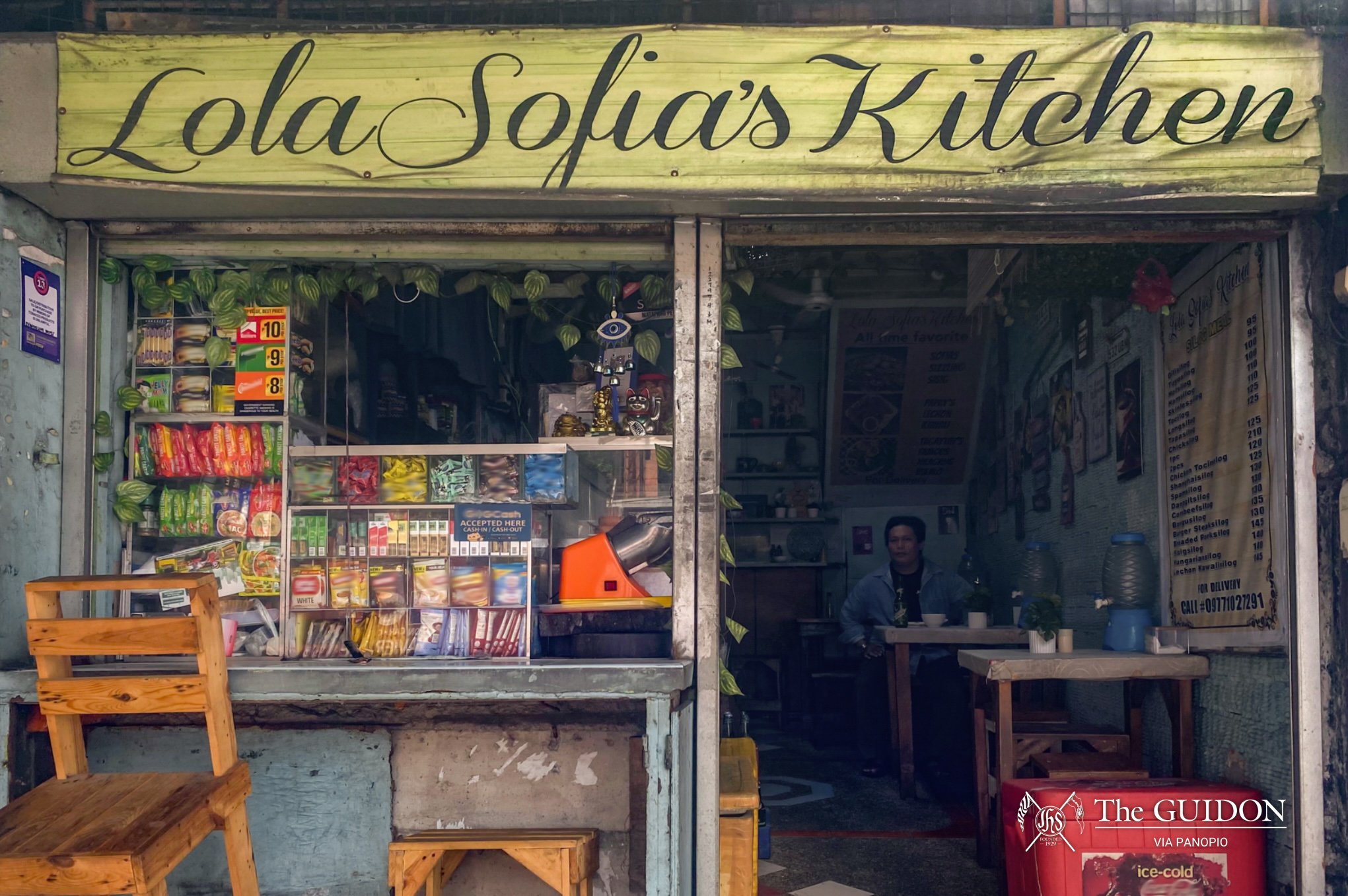
TUCKED ALONG crowded thoroughfares and busy streets, carinderias are constant sanctuaries for many Filipinos amid the blur of city life. Behind their steam-filled counters and rich array of lutong bahay, they provide affordable and hearty food, alongside warmth, routine, and community within a shared space.
In urban living, carinderias serve a central and enduring role for people’s daily survival. However, rising costs place even these humble eateries under economic strain, forcing both customers and small businesses to absorb tighter prices and margins.
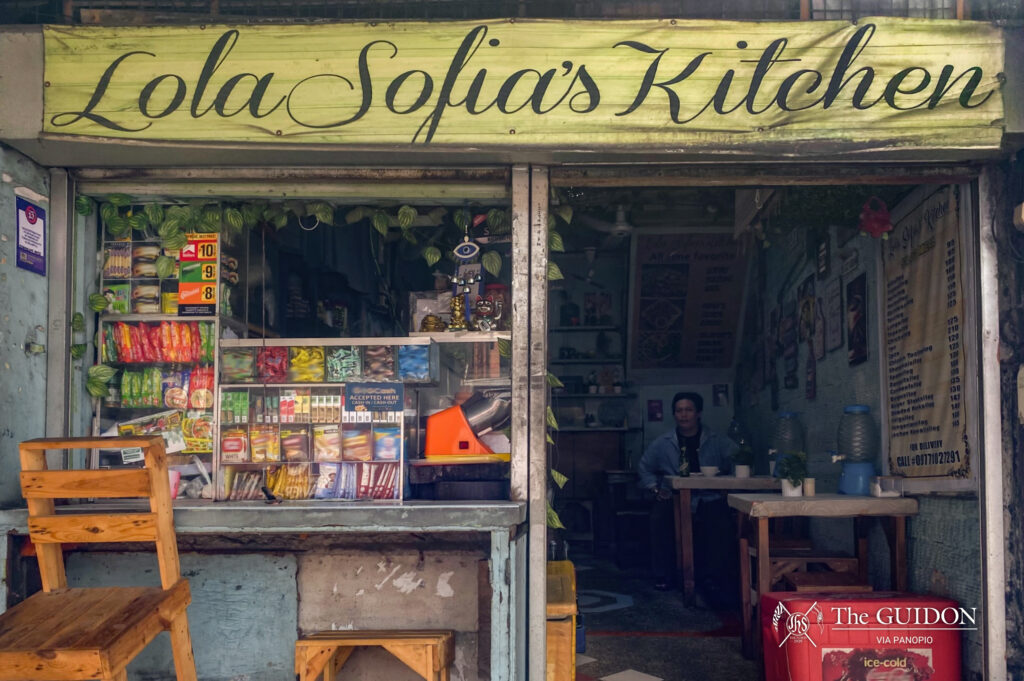
Behind these numbers lies the enduring generosity of Lola Sofia’s Kitchen, one of Katipunan’s beloved canteens that continues to serve communities amid mounting socioeconomic pressures.
A cycle of culture
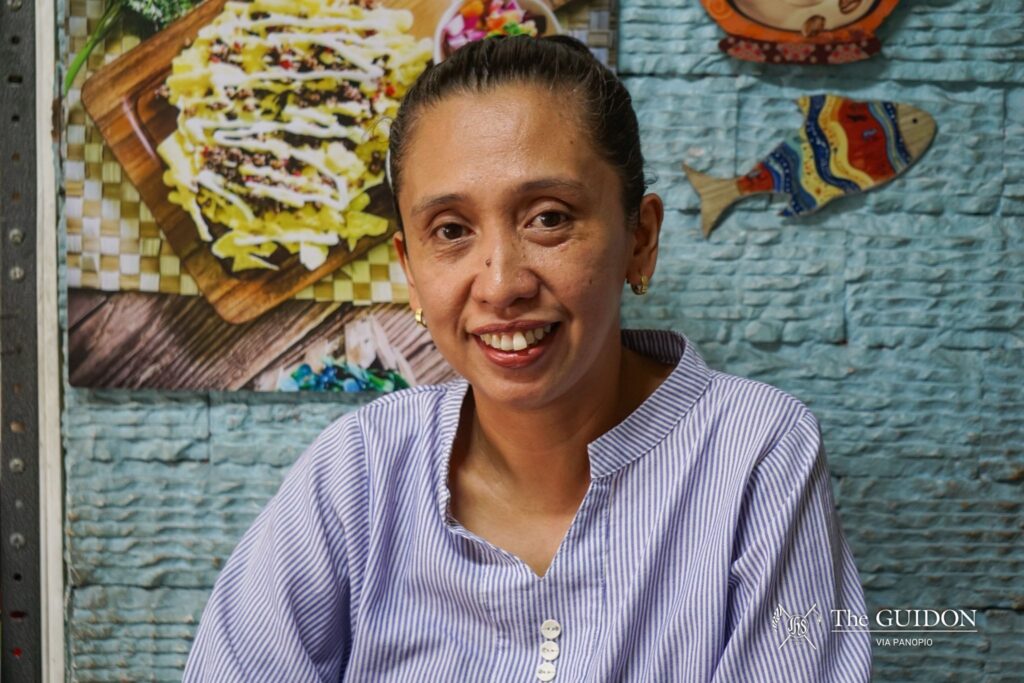
Lola Sofia’s Kitchen is nestled in a small yet comforting nook along Xavierville. Beyond its homey atmosphere and budget-friendly selection, the eatery has earned a reputation as a lifeline spot for residents in the neighborhood.
Cultivating a culture of giving and living is 46-year-old Evangeline Reyes, or Tita Vangie, the owner and manager of the family-sustained canteen named after their family’s matriarch.
While Lola Sofia’s recipes contribute to the carinderia’s usual selection of viands, Tita Vangie is famous for offering dishes outside the menu upon the special request of her beloved regulars.
She recalled an instance when one of her regulars asked if she served Tilapia, all she replied was, “Gusto mo ba ng Tilapia? Magluluto ako. Kailan mo gusto? (Do you want Tilapia? I’ll cook it for you. When do you want it?)”
Even if the seafood dish was not on their menu, Tita Vangie went above and beyond to spoil her customers.
With their canteen established during the pandemic, Tita Vangie is no stranger to adjusting her methods due to inflation and economic crises. From graduating regulars to increasing rent, having fixed prices at Lola Sofia’s Kitchen is a promise they tried to keep.
As her regulars are composed of students and breadwinners with limited allowance, Tita Vangie believes that good food does not always have to come at a price.
“Hindi lang ang may pera ang may karapatang kumain ng masarap (Eating delicious food isn’t a right limited to only those who can afford it),” she highlighted.
However, with the recent oil price hikes caused by conflicts in the Middle East, Lola Sofia’s Kitchen reluctantly adjusted their pricing to ensure their livelihood and maintain their business.
Nonetheless, Tita Vangie cares more about the people she sustains at the end of the day. Simple compliments from daily customers feel like medicine to any aches and pains gained from everyday sacrifices.
In her eyes, the relationship she builds and the comfort she gives is a gift that keeps giving, creating a cycle of culture that sustains the carinderia’s loyal, tight-knit community.
A symbol of community
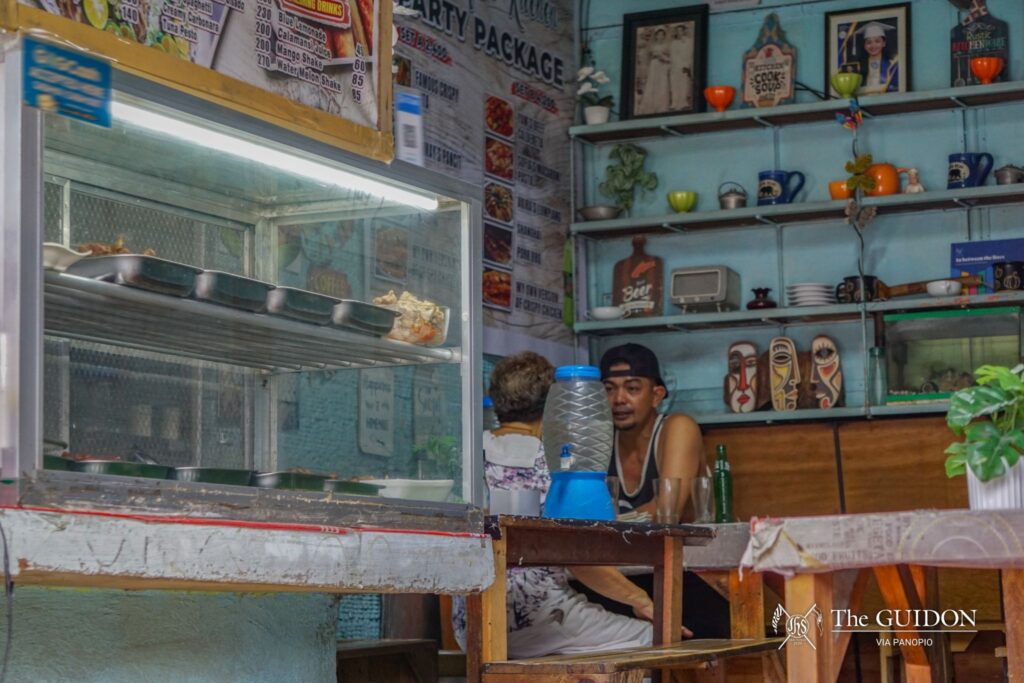
For the students who fill the carinderia’s tables each day, this atmosphere of familiarity and sense of care becomes more than a normal routine of necessity. Jeremiah Ouano (3 BS ES) recalls that since his freshman year, Lola Sofia’s Kitchen has become a critical part of his survival as a student living away from home.
He shares that he frequently visits the carinderia four days a week, often returning for reasons other than its affordability. Beyond its selection of hearty silogs and lutong bahay, he is drawn to its welcoming service and warm environment.
“There’s the sense of home and community when you go to carinderias that is somehow comforting, especially when you are living away from your family,” he states. For Ouano, the dining experience reflects the slower pace of provincial life, where community is deeply valued over convenience.
Compared to fast-food restaurants, which follow a Western-style service model focused on efficiency and profit, Lola Sofia’s Kitchen moves with a different rhythm altogether. It operates under a system of bayanihan and pakikisama—values rooted in Filipino culture that prioritize shared familiarity, quiet generosity, and a family-oriented sense of community.
However, these values are increasingly shaped by broader external pressures. Unprecedented market shocks affect both students who rely on low-cost meals and micro-businesses that depend on loyal, returning customers.
When household budgets tighten, some turn to carinderias not out of routine or familiarity, but for affordability. These everyday decisions ultimately reveal a larger system at work which extends beyond personal routines into broader economic realities.
Infrastructure of survival
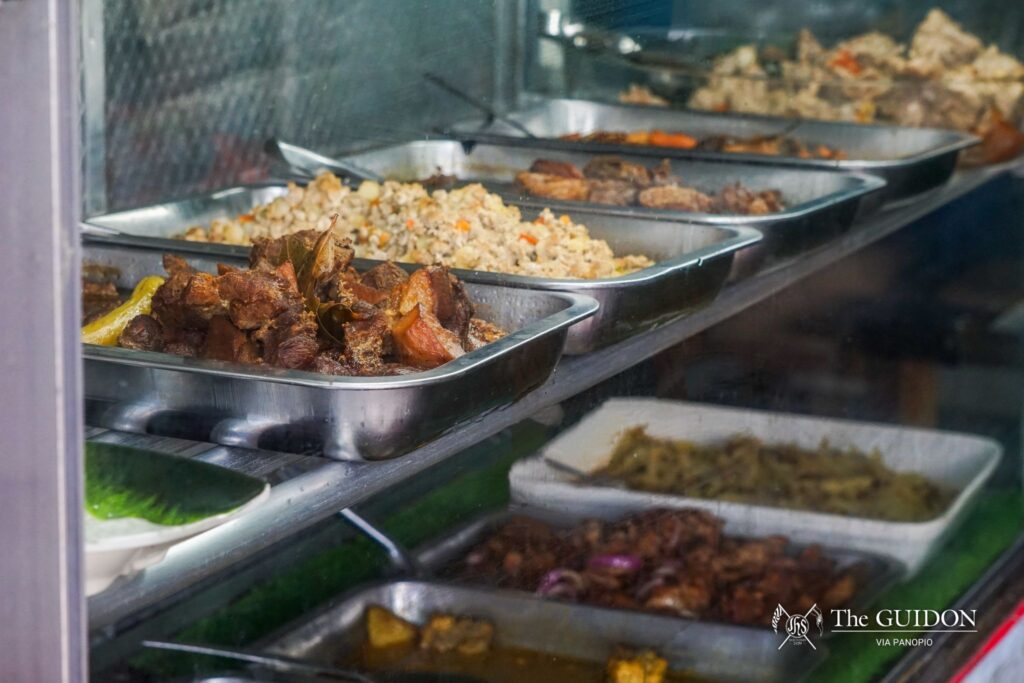
More than roadside eateries, carinderias are the heartbeat of the Philippine culinary scene, standing at the intersection of food, culture, and economy. In particular, Social Sciences Professor Manuel Miguel Cariño emphasizes carinderias’ vitality to the national economy as a reliable source of affordable meals for millions of Filipinos.
By operating within the informal economy, these eateries keep overhead costs far lower than traditional restaurants, ensuring that food remains accessible to urban communities through budget-friendly prices.
The grassroots nature of these eateries also enables them to pivot their daily offerings faster than formal businesses. To keep a warm plate within reach, they subtly adjust their portions or find substitutes for certain ingredients amid rising inflation.
However, Cariño points out that this resilience masks a deeper fracture in the system. According to him, “carinderias [tend to] absorb economic shocks,” coupled with existing challenges they already face, such as low sales and rising operational costs.
The burden of social protection has been quietly shifted onto these vulnerable businesses, which often lack formal government recognition or a safety net of their own. For the masses dependent on these local canteens for daily sustenance, the carinderia is a critical piece of public infrastructure that must be recognized for its economic and socio-cultural function in society.
Viewed through this lens, Filipino food is not only an expression of heritage but also a tool for survival for both the operator and the consumer. Cariño further echoes that due to the relatively low barrier to entry, many households transform their humble abodes into businesses, turning limited capital into an accessible livelihood.
Because they operate on the margins of a volatile economy, these establishments are inherently vulnerable. As such, the potential disappearance of carinderias would be a double tragedy: a loss of culturally reflective, affordable meals for the public, and the collapse of a primary source of livelihood for countless families.
Beyond their necessity for economic importance, however, carinderias also endure because they provide something less tangible but equally essential: the grounding sense of familiarity.
In this light, carinderias like Lola Sofia’s Kitchen serve as economic arteries for students, workers, and families alike. These spaces bear witness to the sacred, community-driven act of sharing a meal and an experience with others. More than just a place to eat, the carinderia is a necessary everyday system—a humble, essential pillar holding up the weight of Filipino life.