
 TV & Film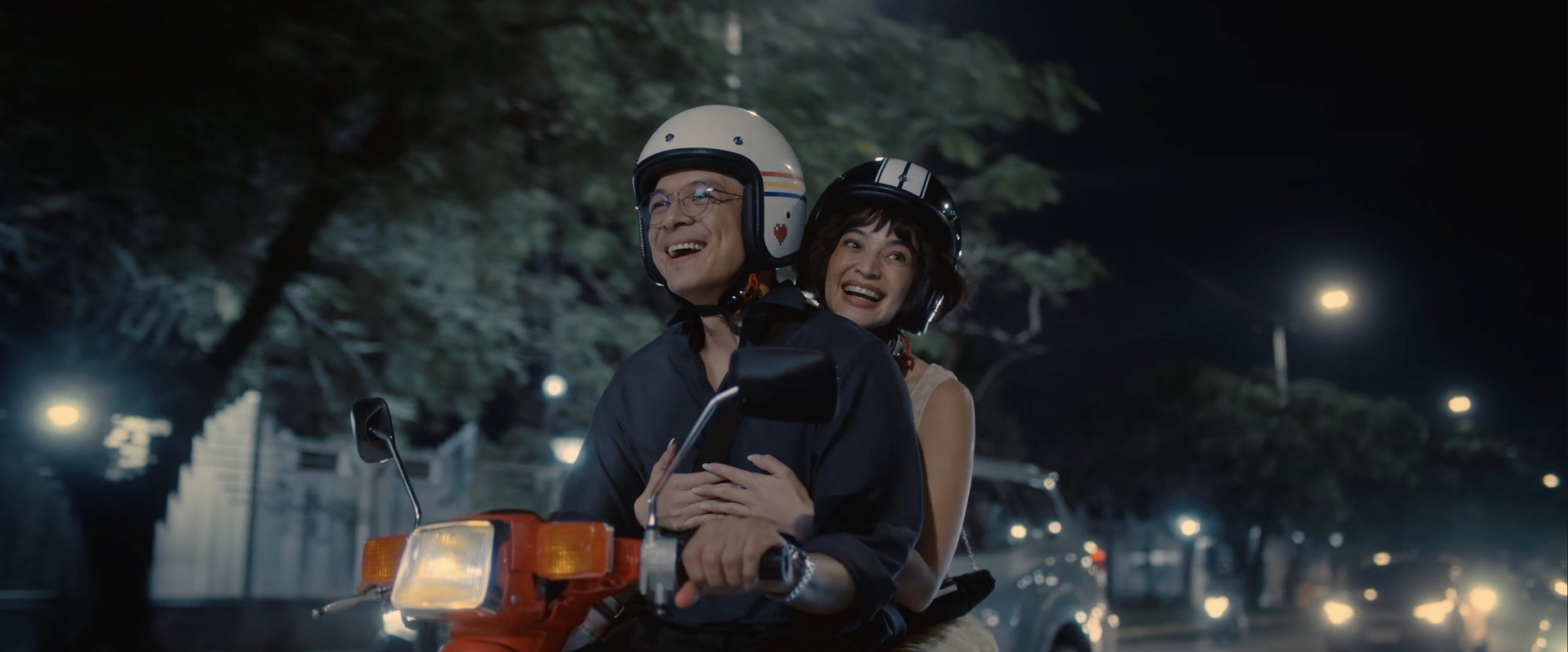
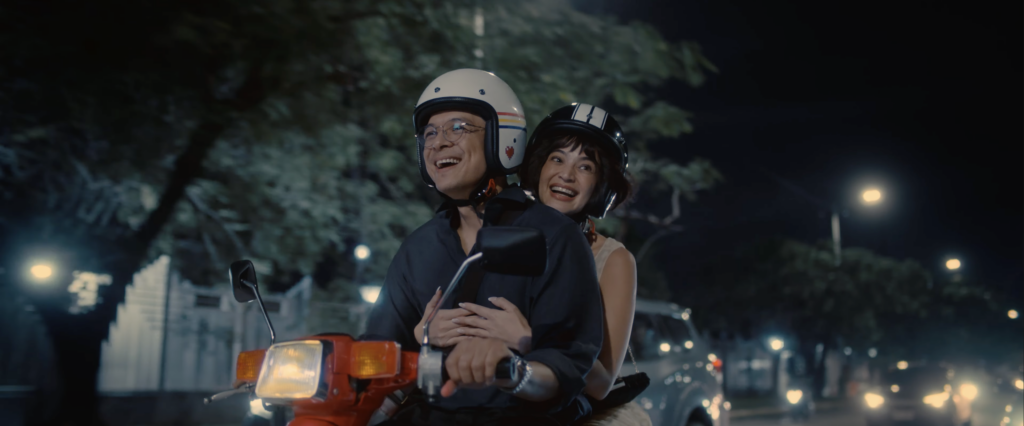
LOVE OUTLIVES the people who once carried it—a quiet, devastating truth that serves as the foundation of the emotional architecture of The Loved One (2026). Directed by Irene Villamor, the film traces the remains of a decade-long relationship between Ellie (Anne Curtis) and Eric (Jericho Rosales).
Fittingly, The Loved One does not unfold as a linear romance but as a recollection. Scenes appear out of sequence, shifting between warmth and fracture, forcing viewers to reconstruct the relationship the way former lovers remember it—selectively and painfully.
Curtis and Rosales’ reunion adds a layer of emotional shorthand. Their familiarity as past screen partners translates into performances that rely less on spectacle and more on the quiet devastation of recognition—the way two people who once knew each other intimately learn to exist as strangers again.
Love at its brightest
In its most tender moments, The Loved One captures the intoxicating illusion of early love. The film lingers on moments where Ellie and Eric transform each other’s ordinary routines into meaningful moments. Conversations stretch into philosophy, mundane gestures become declarations, and love appears capable of remaking the world around them.
Villamor visualizes this emotional expansion through warm cinematography and intimate framing, pulling viewers into the couple’s shared orbit. Love, in these sequences, feels infinite—echoed in moments where Ellie wonders if discovery only feels complete when it is shared with someone else. This shared intimacy reshapes their sense of self, convincing both characters that they have recognized permanence inside each other.
Eventually, a central contradiction is introduced: the kind of devotion their relationship demands can reshape identity just as easily as it can erase it. Ellie’s gradual resentment emerges not from an absence of affection, but from the realization that loving Eric demands parts of herself she is not ready to surrender.
Throughout the film, Ellie is pulled between building a life with someone and one that feels entirely her own—a conflict that reflects the quiet pressure many women face when romance begins to compete with self-definition. However, the picture refuses to portray this friction as betrayal. Instead, the conflict is framed as the terrifying inevitability of growth.
Love at its breaking point
From this emerging tension, Villamor resists portraying heartbreak as a single rupture and instead suggests that relationships dissolve through a slow erosion of suffocating compromises.
Ellie and Eric’s emotional imbalance surfaces through their conflicting visions of permanence, brought to life through restrained yet emotionally precise performances. Curtis portrays Ellie’s quiet unraveling through subtle shifts in expression and body language, while Rosales grounds Eric in a tenderness that gradually hardens into desperation.
Their chemistry allows the conflict to feel painfully intimate rather than overtly dramatic. Eric clings to the stability of shared history, while Ellie searches for a version of herself that exists beyond the relationship. Their love does not disappear but mutates into something that demands sacrifice neither of them can articulate without hurting the other.
At one point, the film distills its emotional thesis into a devastating admission: Love turns ordinary people into poets, philosophers, and monsters. Love not only elevates them into vulnerability and devotion, but also reveals their capacity to control, resent, and wound each other in ways neither anticipates. This is most painful in scenes where expressions of commitment begin to feel like pressure, transforming affection into something that quietly corners Ellie and leaves Eric grasping for reassurance.
The film’s fragmented structure reinforces this tension. Memories of tenderness collide with scenes of resentment, mirroring how breakups rarely occur in chronological clarity. Villamor allows silence to linger longer than dialogue, trusting that absence communicates what words cannot.
Loss enters the relationship not as melodrama but as inevitability. Pregnancy, betrayal, and accumulated resentment operate less as narrative twists and more as emotional tipping points—moments that expose fractures long embedded within their love.
Love after everything ends
Rather than offering closure as a resolution, the film presents separation as a form of emotional survival. Ellie’s departure from Eric’s grasp is not framed as triumph or failure, but as recognition. Love remains between them, but it no longer belongs in their future.
With this recognition, the film’s title gains new meaning. Throughout their relationship, Ellie and Eric alternate between being the lover and the loved one, revealing how affection is rarely balanced. What emerges instead is the idea that relationships survive only when both partners learn to inhabit both roles simultaneously—a balance the two never achieved.
Villamor closes the film with quiet ambiguity, refusing reconciliation or a grand tragedy. The emotional aftermath feels unresolved, echoing the way past relationships linger within memory long after they end. Much like the melancholic pull of its theme song, Multo by Cup of Joe, the film suggests that love does not disappear—it shifts and haunts in memory even after presence is gone.
What lingers most is the film’s understanding that love is not inherently redemptive. Sometimes it is transformative, sometimes it is destructive, and oftentimes, it is both. This duality is captured poignantly in a scene where Ellie articulates her desire for a life built on presence rather than ceremony. What begins as devotion slowly reveals its weight, showing how intimacy can exist alongside suffocation, and how desire can expose the limits of compatibility.
The Loved One does not attempt to teach audiences how to preserve romance. Instead, it offers a gentler, more unsettling reflection that some relationships matter not because they last, but because they change who we become. Love may turn ordinary people into poets and philosophers—but Villamor reminds us it can also turn them into strangers to themselves, leaving them uncertain of who they are outside the demands and expectations of love.