

 Theater & Arts
In the midst of a political climate riddled with oppression, it is important for the arts to be brought to the forefront, now more than ever. In the past, the likes of Jose Rizal have proven that writing is an art form that can open Filipinos’ eyes to the unacknowledged realities of our country.
Among the many renowned authors who have made their mark on Philippine literature, women of today should also have a share in paving the path to diverse local literary excellence. Without more platforms for women’s works, writers and readers alike lose opportunities to gain increased representation, validation, and a new outlook towards present society.
Gantala Press, an independent publisher for feminist works, provides women with this much-needed platform, magnifying their long-silenced stories through literature. This National Literature Month, Vantage takes a look at how the collective encourages the use of writing to support advocacies and amplify voices that are too important to be left in the dark.
Filling the gaps
The absence of a women’s press in the Philippines, coupled with a desire to provide a platform for marginalized voices, propelled co-founder Faye Cura to create Gantala Press in 2015. “I had finished writing my third collection of poetry and wanted a women’s press to publish it but could not find any,” she shares. Inspired by international publishers the likes of Zubaan Books, Spinsters Ink, and Naiad Press, she decided to work towards forming a publishing company for women’s works by looking for people who shared her interest in such an initiative.
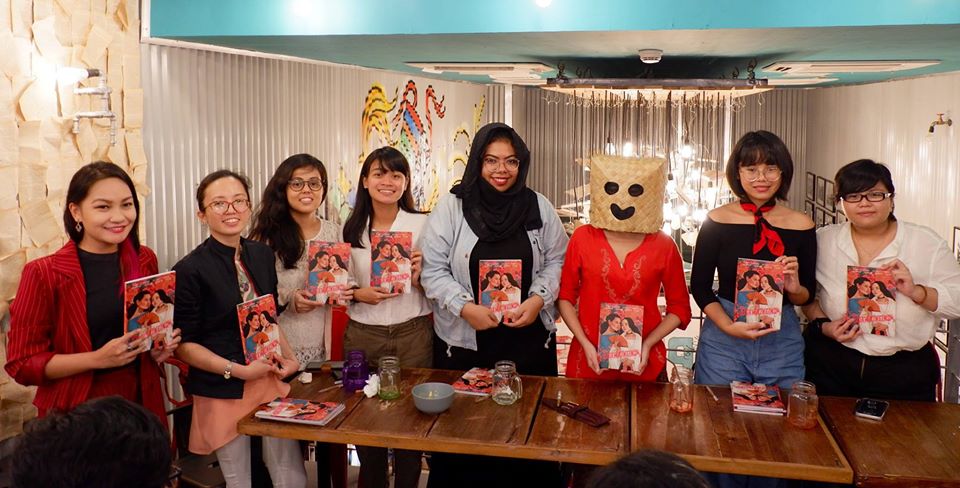
“I posted the idea of establishing a women’s press on Facebook and then gathered all the women who responded in a meeting,” says Cura. They came up with the name “Gantala” which translates to “spool,” a word they chose because it symbolizes women’s work.
Despite the creative ideas and collective passion that fueled the group, they soon realized that the process of bringing Gantala Press to fruition was no easy feat, as they encountered numerous obstacles along the way. Due to tight financial resources, the company’s capacity to distribute and produce copies of its books was limited. Another challenge was dealing with legal difficulties. “The tediousness, for example, of securing all the legal documents just to be able to issue an official receipt. Institutions like schools are often unable to buy our books because of this limitation,” says Cura.
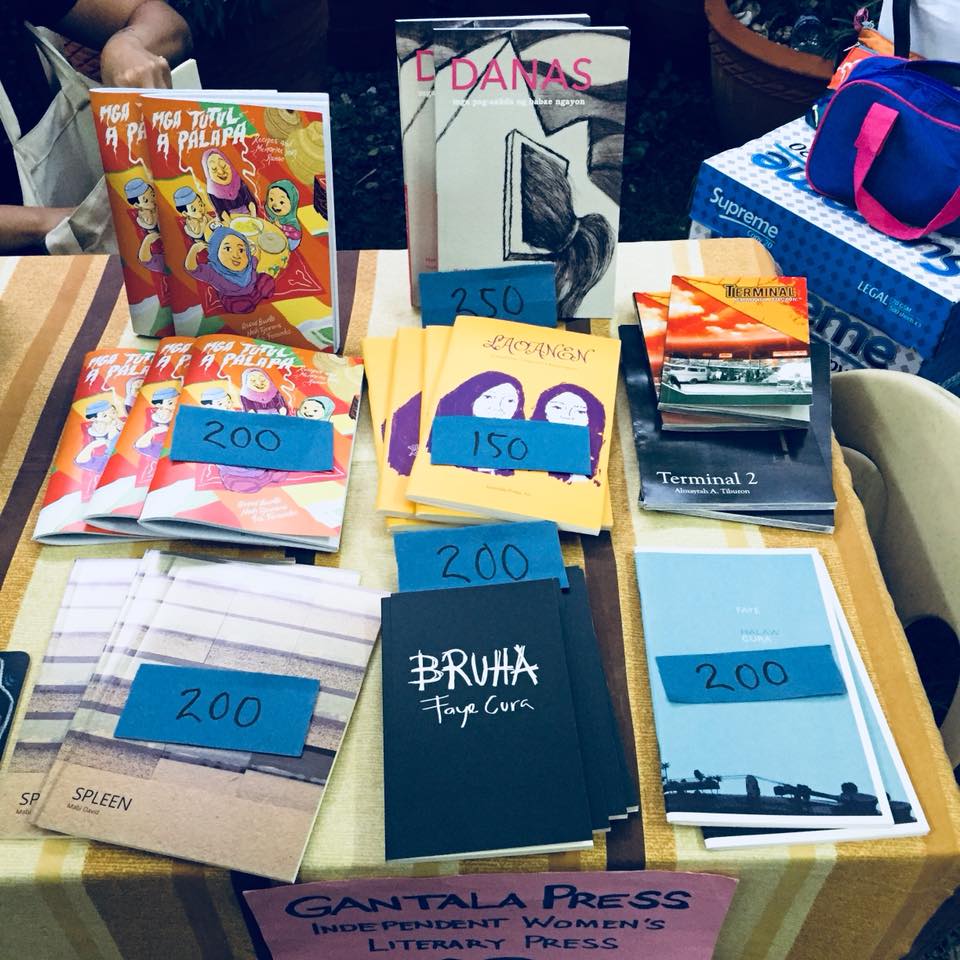
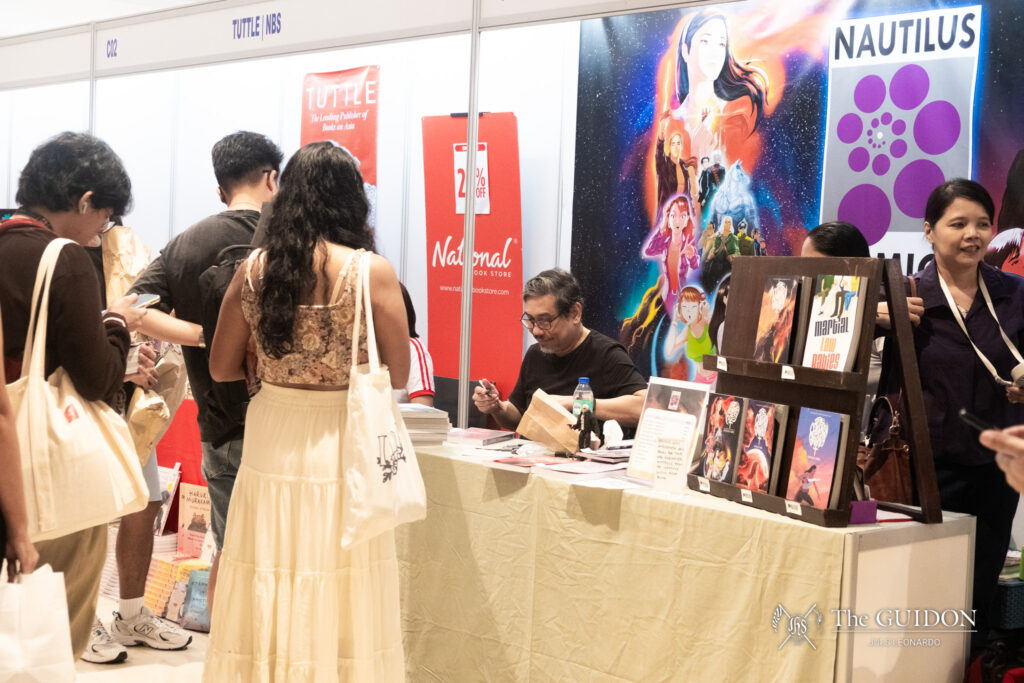
However, Gantala Press has found numerous ways to deal with these obstacles, such as prioritizing the production of cheaper publications like zines to counter minimal resources. They also aggressively sell their books in more informal markets such as small bazaars and fairs to minimize the difficult legal processes that come with selling to bigger institutions.
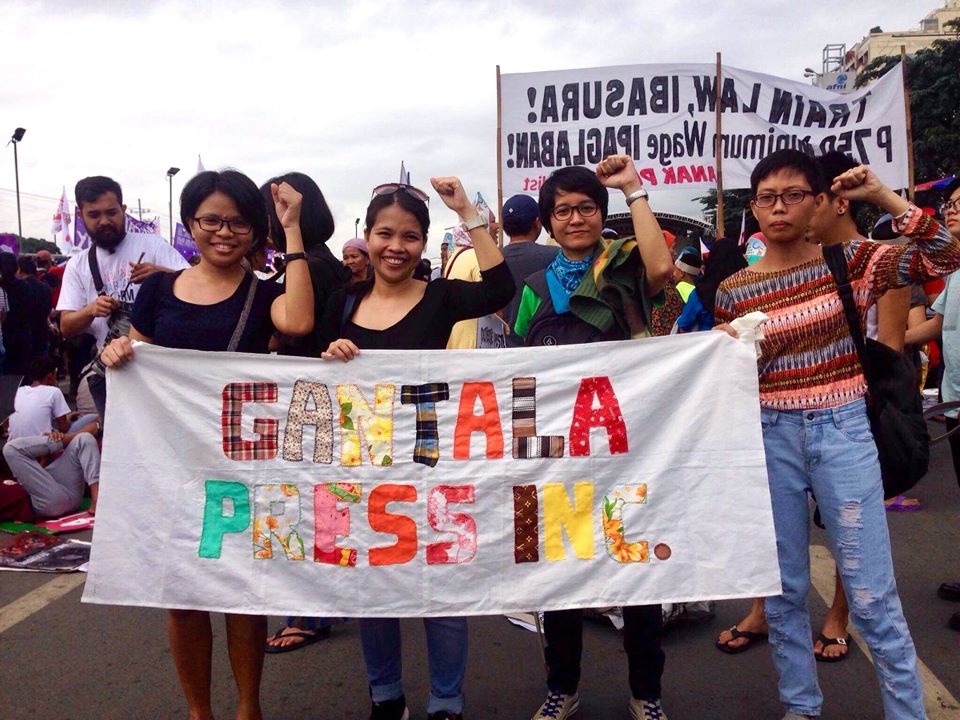
Challenges aside, the team behind Gantala Press has experienced much fulfillment from their passion project. “[We enjoy] the collective process that the group undergoes when writing statements, answering interviews, or discussing our books and projects, the meetings where we share our everyday personal struggles with one another, and joining rallies and mobilizations together,” shares Cura.
Voices for the silenced
Throughout their years as an independent publisher, Gantala Press has always been driven by one goal: Publish as many women’s stories as possible, especially those from marginalized or silenced communities.
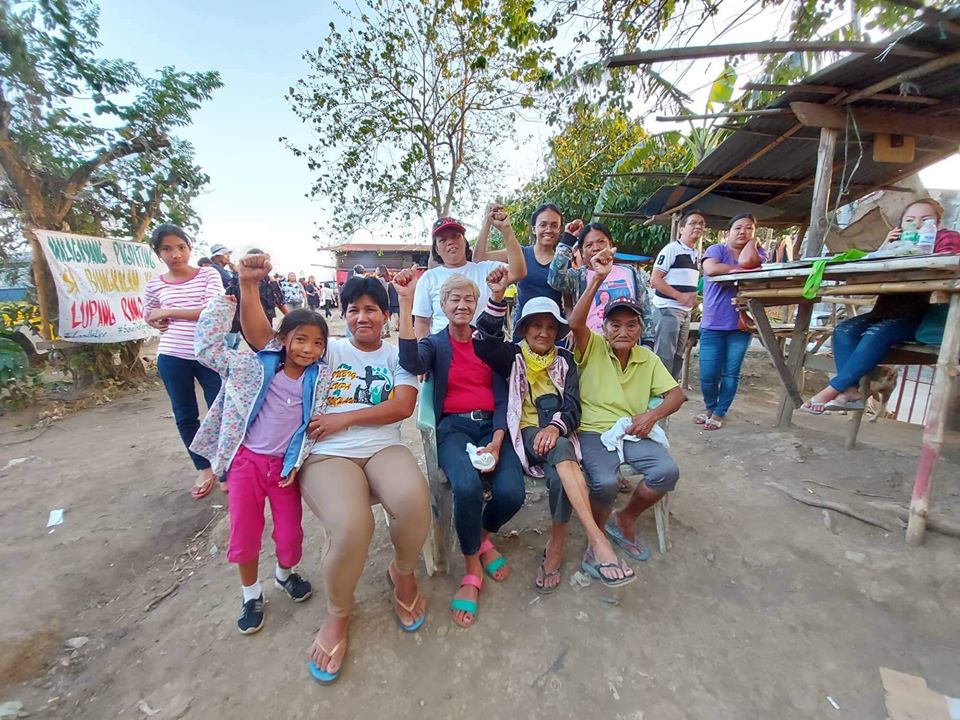
One such example is Makisawsaw, a recipe book and essay collection that raised awareness on the contractualization of NutriAsia workers. The zine was able to generate some funds to help unionized workers groups such as the Lakas Manggagawang Nagkakaisa sa Honda. Aside from this, Lupang Ramos and Talinghaga ng Lupa are anthologies that center on peasant women’s life stories, which Cura describes as “narratives that are often invisible in literature and culture.” There is also the Mamumuo (Worker) zine, which compiled outputs from a Gantala workshop attended by members of a labor union protest for regularization and benefits from the Sumitomo Fruit Corporation. “[Mamumuo] set the standard for our writing workshops or sessions, for how we can work with community women,” shares Cura.
Aside from sharing the stories of Filipinas, Gantala Press also plans to work with other marginalized groups, such as indigenous people and the lesbian, gay, bisexual, transexual, queer + community. “We will help tell their stories in the same way we work with other sectors: By building networks, and then creating opportunities for them to write their stories, and then publishing these,” says Cura.
Over the years, Gantala Press’ efforts towards achieving its goal have developed and expanded to reach more people. Apart from publishing and organizing events, they’re also set to open the country’s first feminist bookshop in Cubao Expo, meant to serve as both a safe space and resource center for women.
With the many overlooked Filipino women who wish to speak up about violence and oppression, the publisher is a much-needed collective. Gantala Press understands that not all artists tell the same story, but they do share a similar desire to be heard. As the press moves forward, they carry with them a vision to bring justice to women and the stories they have to tell the world.
Much of Gantala Press’ success comes from the hardworking team behind it. Moreover, its impact also comes from its supporters, who read their works and familiarize themselves with the struggles of marginalized sectors, enabling them to help speak up for these silenced voices. With this in mind, Cura invites those interested to join them in their marches and mobilizations, to campaign and raise awareness for those who are unable to speak for themselves.
Editors’ note: For more information about Gantala Press, check out the Gantala Press website, Facebook page, and Instagram.
Photos courtesy of Gantala Press
 Exposé