
 Theater & Arts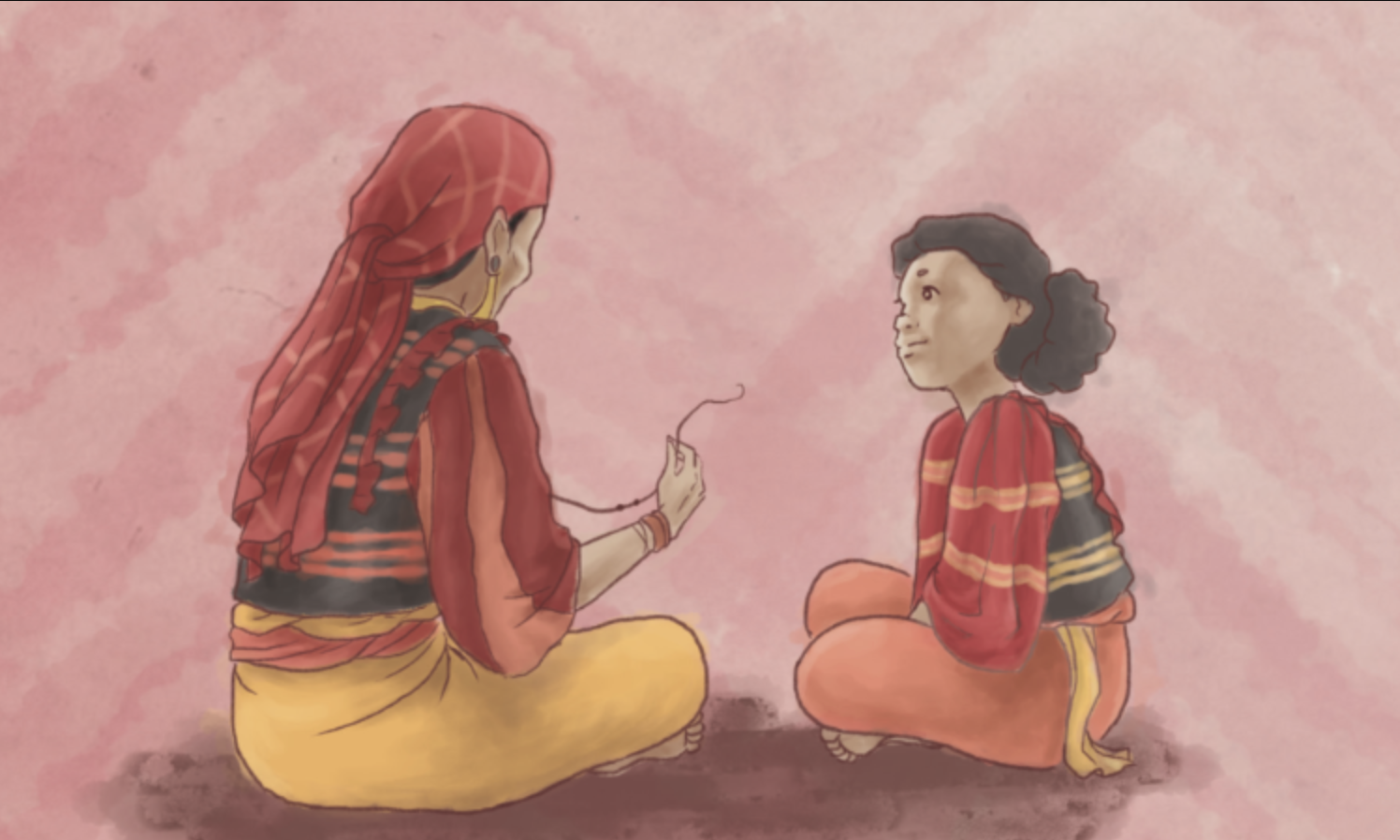
THIS OCTOBER, we celebrate our country’s indigenous peoples (IP) who have seen no end to their struggle against those who steal their land and spill their blood.
The conversation on IP rights is by no means new, but firsthand accounts still remain sparse in Philippine literature. We Call Her Ina Bai (2021), a non-fictional book dedicated to the real-life experiences of Lumad women, seeks to change this. Published under Sabokahan, a women-led indigenous organization of different tribes across Mindanao, the book is told through the perspectives of two notable Lumad leaders—Ina Bai and her granddaughter Sharmaine. The result is a multigenerational story situated deep in the Pantaron Mountain Range of Central Mindanao that warms your heart and breaks it at the same time.
The authors, Jeremy Santiago II and Margarita Valle, employ a no-frills style of writing. However, this simplicity is intentional because they want their message to be understood by readers of all ages and walks of life. The book’s illustrations also make the narrative increasingly tangible for everyone to enjoy.
With straightforward penning and full-color illustrations, We Call Her Ina Bai offers a refreshing glimpse into the mundane side of IP lifestyle. Whereas previous literature focused mainly on human rights issues, We Call Her Ina Bai points us to what makes our IPs human by including the nuances of their everyday lives.
While the accounts in the book cannot be mistaken as anything but serious, the incorporated lulls in action may elicit a smile or even the occasional chuckle. We’re allowed a quick breather in between the dramatic ups and downs Sharmaine and Ina Bai experience. These tidbits seem to say, “Look at these people, who refuse to allow anything to spoil their naturally cheerful disposition, even in the face of grave danger and the collapse of everything they know.”
Nevertheless, a good chunk of the book does without these pockets of comedic relief—especially when it would be a crime to make light of the characters’ experiences. One chapter in particular stands out: Sharmaine encounters a logging company poisoning the water and soil of Pantaron in an attempt to push them out. This story carries more weight when considering that to IPs, ancestral lands are a central aspect of life itself—their land is their spirituality, their way of life, and their own flesh and blood.
Such bite-sized episodes from the years and years of Ina Bai’s struggle are meticulously selected to propel the story forward. When taken as a whole, a clear image is painted of the leader she is today.
For example, one chapter describes a young Ina Bai’s brief excursion into the Pantaron forest with her father. The authors take the time to recount in detail this seemingly trivial blip in her life, so what comes of it is a beautiful passage that speaks volumes:
“In these forays deep in the forest, we barely speak to each other, yet his actions—when he points to a deer, skips to the side to give way to paloos or avoids touching a tarsier latching on a low hanging branch—tell me everything I need to know about Pantaron.”
It’s this insightful grasp on IP experiences, coupled with a strong command over the written word, that Santiago and Valle use to set their work apart, proving they were the right people for the job.
If your knowledge on IPs is merely surface-level, We Call Her Ina Bai offers an easily digestible yet meaningful take on their experiences. If you’re already well-versed on the topic, the earnest manner in which these stories are told is a novelty in itself.
In a mountain range not so far away, there persists a decades-long tale of tyranny and avarice over stolen, blood-soaked land. There may not be much we can do about this war, but making sure these stories are amplified is well within our power.
 Exposé