
 Exposé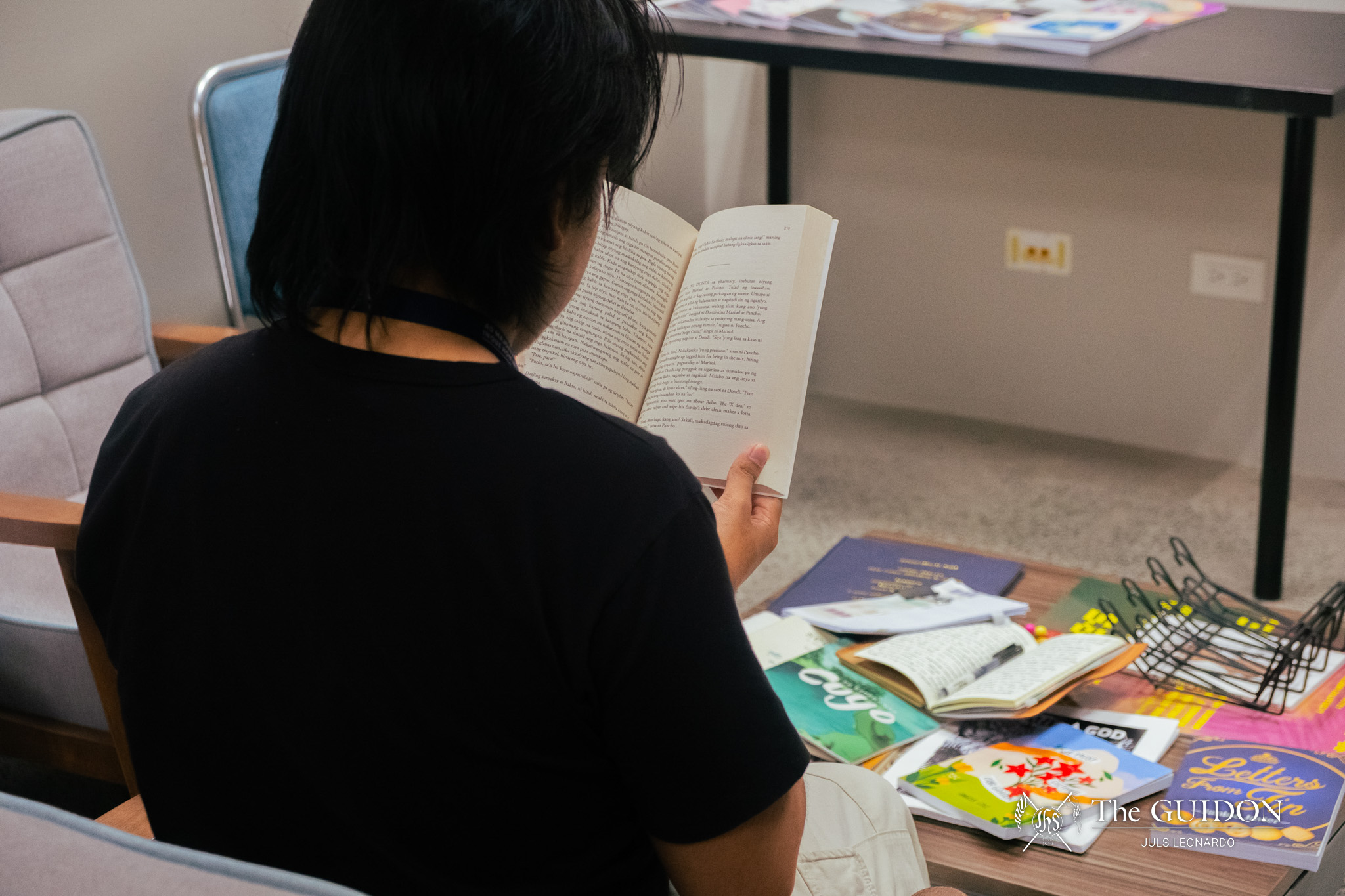
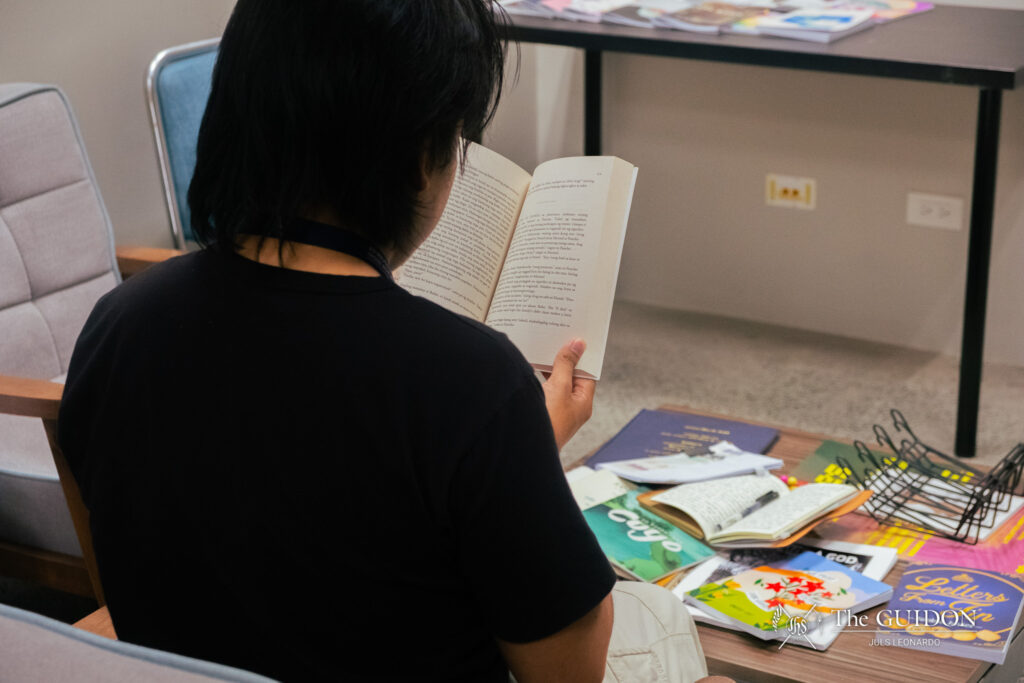
HAVE YOU not heard? It’s cool to read now. Somewhere between the doomscroll and the hardbound, reading has found its way back into the cultural conversation —not merely as a private habit, but as a visible declaration of taste, curiosity, and intentionality.
In a culture increasingly shaped by digital fatigue, Artificial Intelligence (AI) shortcuts, and endlessly disposable content, the book has become both refuge and accessory: a way to slow down, and a way to be seen slowing down.
To understand why reading has resurfaced with such unlikely cachet, it must first be placed against the culture that made it feel almost radical again.
Reading in an age of anti-intellectualism
The renewed romance of reading begins with a crisis of attention. After years of being fed information in bursts, attention itself has begun to feel like a luxury good. The internet offers endless stimulation, with information arriving pre-chewed, pre-ranked, and flattened for easy consumption.
Reading, in contrast, asks something of the person holding the book. It asks for time and quiet, and most of all, it asks for the reader to stay.
That demand feels increasingly at odds with a culture that prizes immediacy over reflection. As complex ideas are distilled into easy solutions,the process of interpretation itself risks being sidelined—a hallmark of the anti-intellectual currents shaping online discourse today.
For Keische Mae Enciso, a lecturer from the Ateneo English Department, reading cannot be confined to novels, journals, or “highly intellectual texts.” It is a way of encountering material with the mind switched on—to “analyze, interpret, [and] synthesize whatever material one is reading,” whether it is literary, academic, digital, or the mundane. In that sense, the conversation around anti-intellectualism is also about interpretation, whether people are still willing to move past the surface of texts and ideas.
Enciso sees this unevenness in the classroom. Some students, she observes, can move from decoding words to literal comprehension, then toward inference and personal connection. Meanwhile, others stop at the literal level; they can understand what a text says but not fully arrive at its meaning.
This gap matters in an age where AI can deliver answers before the reader has even attempted to derive these for themselves. As Enciso puts it, “The prevalence of AI, where answers are spoon-fed to the users, shortcuts the supposedly natural process of reading.”
Against that backdrop, the sight of someone reading in public begins to carry a strange charge. A book in public telegraphs taste, patience, and depth. Yet, the moment reading becomes visible, it begins to function as a signal as much as a practice.
Enciso finds value in the fact that people are troubled by this at all. The discourse around performative reading and anti-intellectualism suggests that society is beginning to question what reading reveals about us. For her, the central issue is not what people read, but how deeply they engage with it.
As books become more culturally prominent within a culture still grappling with knowledge and attention, reading becomes subject to the same pressures that shape other cultural trends.
Reading as a performance
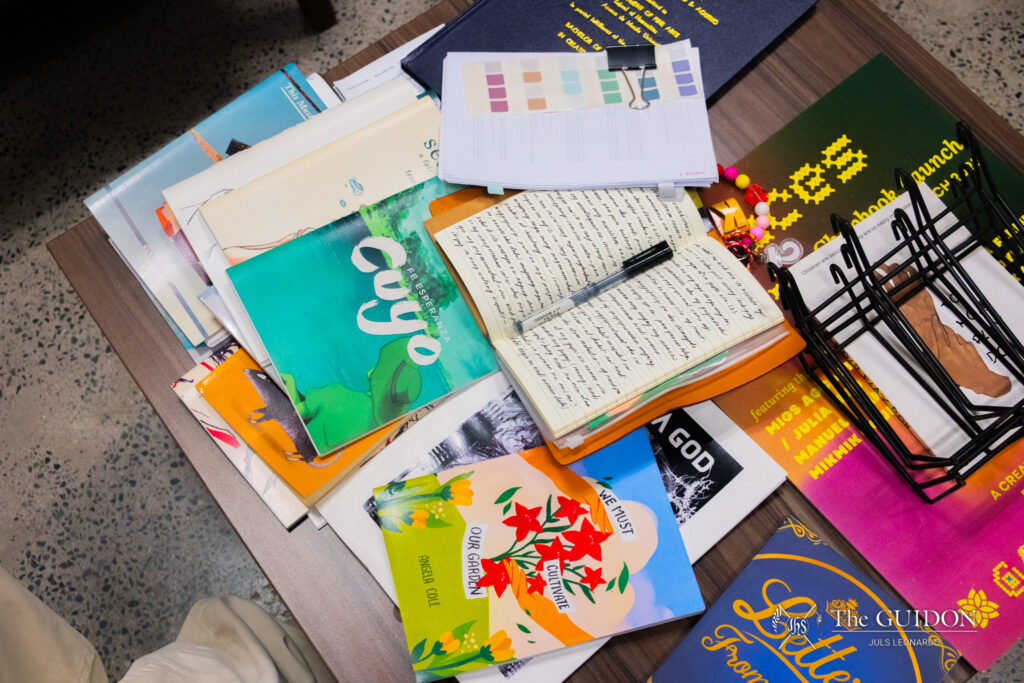
With people descending upon literary-adjacent trends, how can we ascertain that reading isn’t a mere fad? Has reading become a way to differentiate oneself from people with deteriorating attention spans and capacity for critical thinking?
Margaret Giltendez (4 BS MGT) recalls the time when professing enjoyment of reading branded someone as the “quintessential bookworm.” “‘Yung parang ‘di lumalabas ng bahay, wala masyadong social life (Someone who doesn’t leave the house and possesses little social life),” she clarifies. Giltendez goes on to note how reading now carries a new cachet, and is labeled as chic.
From countless social media users raving about pieces of literature to celebrities posing for paparazzi with a book, reading has become a widespread practice. Andrea Panaligan, editor-in-chief of Young STAR, has noticed that communities like BookTok and Bookstagram tend to package reading as identity signifiers.
Members tout books as befitting of certain aesthetics: The Secret History for dark academia lovers, The Bell Jar for “femcels,” and Slouching Towards Bethlehem for “thought daughters.” This prompts readers to restrict themselves to books that signal their alignment with an aesthetic instead of ones they personally gravitate towards. As Panaligan puts it: “We like what [books] say about us as opposed to the books themselves.”
When viewed from this perspective, reading nowadays can be understood as a performance. People clamor to broadcast the rapid pace at which they consume books or the “distinguished” authors whose works they enjoy. Giltendez even recalls encountering someone who would breeze past everything but dialogue just to keep downing one book per day.
Like Giltendez, Panaligan acknowledges that performative reading is a potent phenomenon. Still, she “want[s] to give [people, specifically the youth] grace.” It alarms her when people boast about reading something they haven’t, as she fails to see how merit can be gained from such deception.
Otherwise, Panaligan doesn’t fault those who engage in what is deemed “performative” reading. She believes there is little harm if teenagers, whose interaction with books is facilitated by the sentiments of online literary communities, become encouraged to read certain titles due to the aesthetics ascribed to them. After all, “Performative pa rin ba siya kapag binabasa mo naman talaga? (Is it still performative if you actually read it?)”
Keeping the bookworm alive
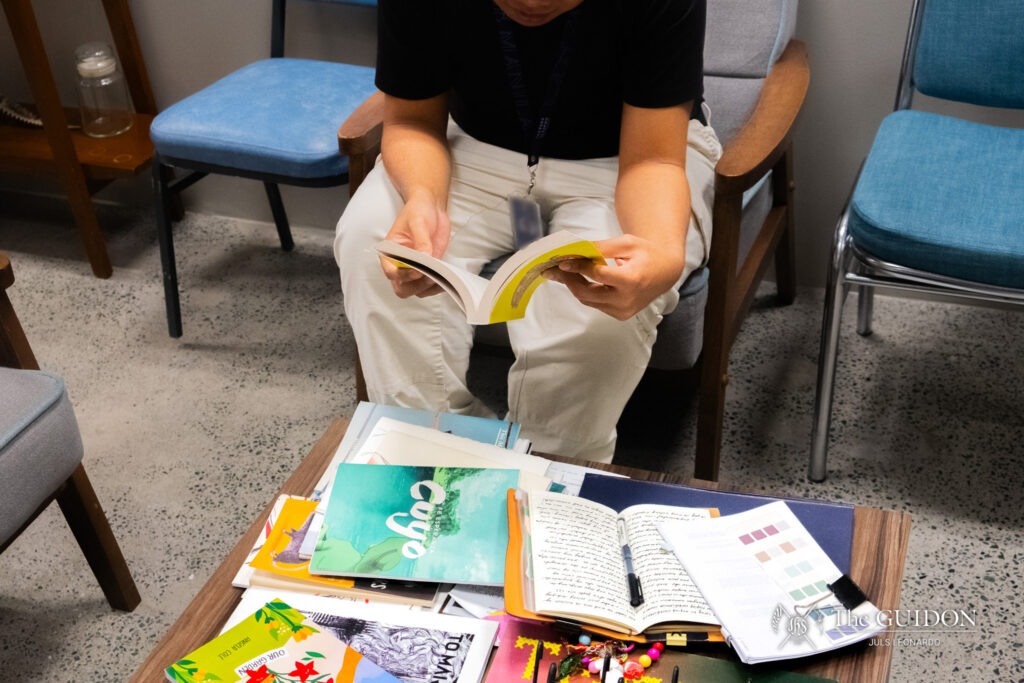
Enciso notes that the “performative reading” trend pigeonholes reading into a pedantic act that is only accomplished by the pretentious and highbrow. Yet, she begs to differ, claiming that reading’s significance is not due to prestigious exclusivity, but in its candid ordinariness. It is everywhere, and meant for everyone—a fundamental expression of our humanity.
Reading opens readers to new possibilities, and invites them to participate beyond their own personal experiences.. According to Enciso, “genuine reading allows us to recognize the deepest recesses of our humanity […] our mindsets, values, actions, [and] decisions as individuals and as a collective.”
Yet, despite its ubiquity and influence, reading has become endangered. Literacy rates now face an unprecedented decline and humanity is reading a lot less. To Enciso, the loss of readers is much more pressing than the emergence of performative ones.
“It’s already a win to see someone bringing a book, whether or not they’re authentically reading it,” she explains. “Kahit papaano, babasahin niya naman yung synopsis (They will read the synopsis somehow), and that’s already a win for us.”
In the Philippines especially, the global literacy crisis is exacerbated by the nation’s dysfunctional education system, manifesting in outdated pedagogical paradigms, underfunded academic institutions, and persistent socioeconomic barriers.
Yet, combating the Philippine reading crisis fails to be a national mission, as reading is deemed as less important compared to more employable skills. On May 5, 2026, the Commission on Higher Education sought to overhaul humanities courses from universities’ General Education curriculum, citing a pivot towards “outcome-based education” for students to align their competencies to workforce demands. Although this reform was later pushed back, the mere materialization of the proposal is telling enough.
In diluting people’s ability to read, society diminishes their capacity to recognize what ought to be changed, and their conviction to change it themselves. Likewise, by stigmatizing reading for the sake of denouncing performativity, people become complicit in their own disempowerment.
Enciso believes that now, more than ever, Filipinos must “genuinely love reading, and recognize its power.” She urges, “[Reading] makes or breaks people, nations, and the world. We should create narratives that are good for the world—socially just and [ecologically] sustainable.”
Perhaps reading has come back in style right when the world needs it the most. Although this fad of “performative reading” has faced valid criticism for its potential superficiality, it also introduces literature to new audiences in an era where reading is becoming less and less relevant.
As Giltendez puts it, “reading is a trend—but not necessarily one we have to worry about.” Rather, it is something people should “embrace” as society’s sign to “crack the book open and start reading.”