
 Theater & Arts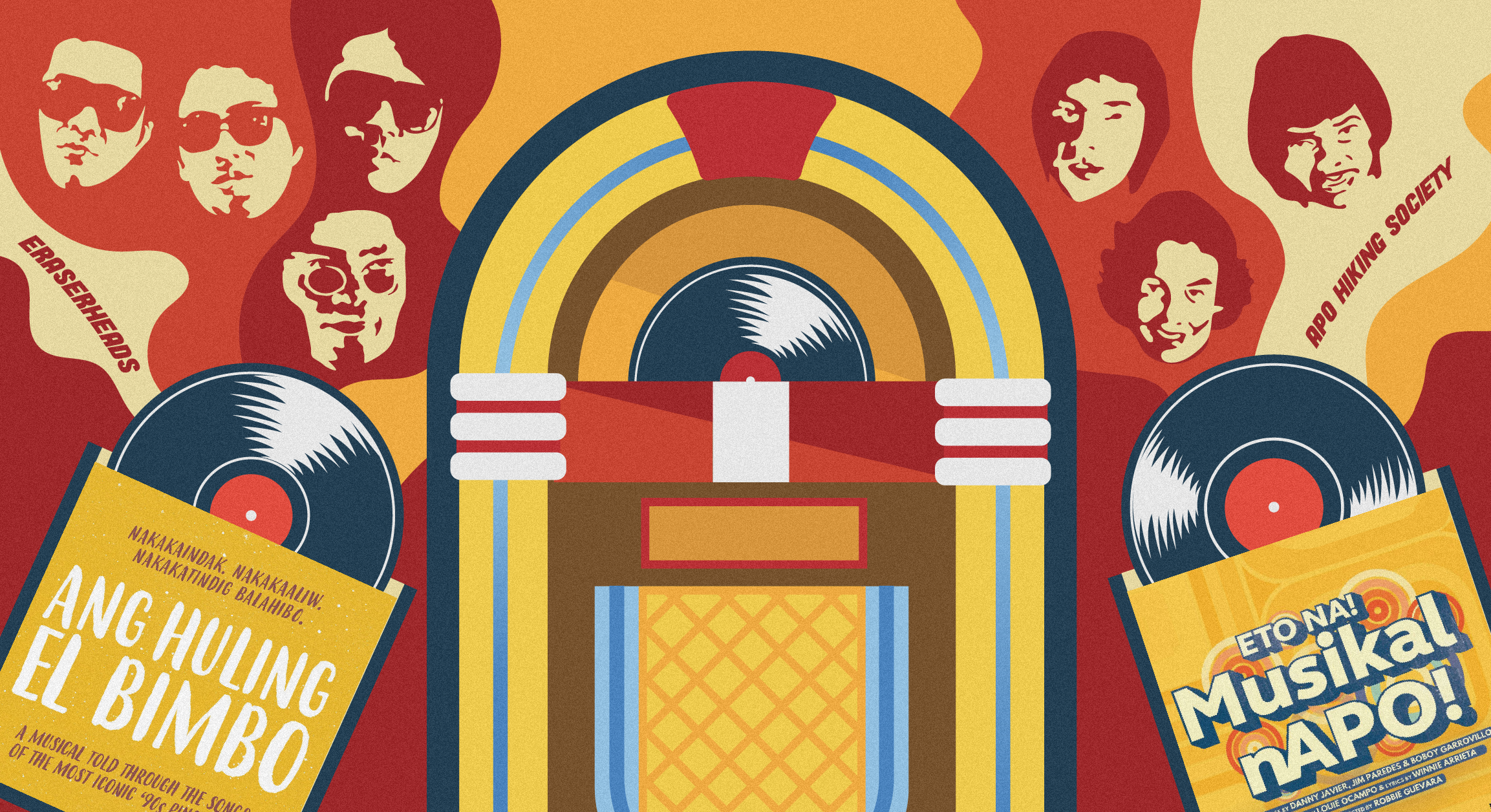
Over the years, jukebox musicals have become some of the most recognizable shows onstage. These productions, rather than featuring an original score, revolve around the tried-and-tested hits of popular artists. With Western examples like Mamma Mia!’s (1999) ABBA-inspired storyline to the Green Day-backed play American Idiot (2009), it’s clear that the theatrical genre holds no boundaries.
The existing catalog of musicals is wide and varied, but we don’t have to look far from home to see music as a catalyst for creativity. Filipino classics bring a wave of nostalgia upon longtime listeners while sonically introducing younger generations to a time they’ve never known. Artists have revived these records by creating original, local jukebox musicals distinctly produced by and for Filipinos. Enter playwright Dingdong Novenario’s Ang Huling El Bimbo (2018) and writer-director Robbie Guevara’s Eto Na! Musikal nAPO (2018): Two shining examples that blend Original Pilipino Music (OPM) with theater.
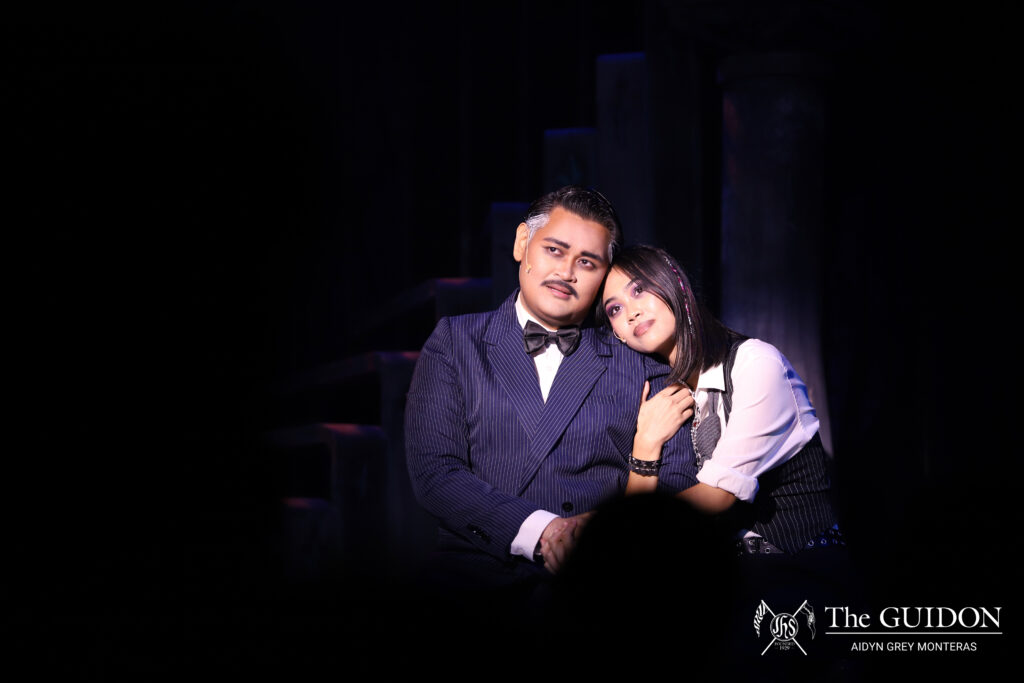
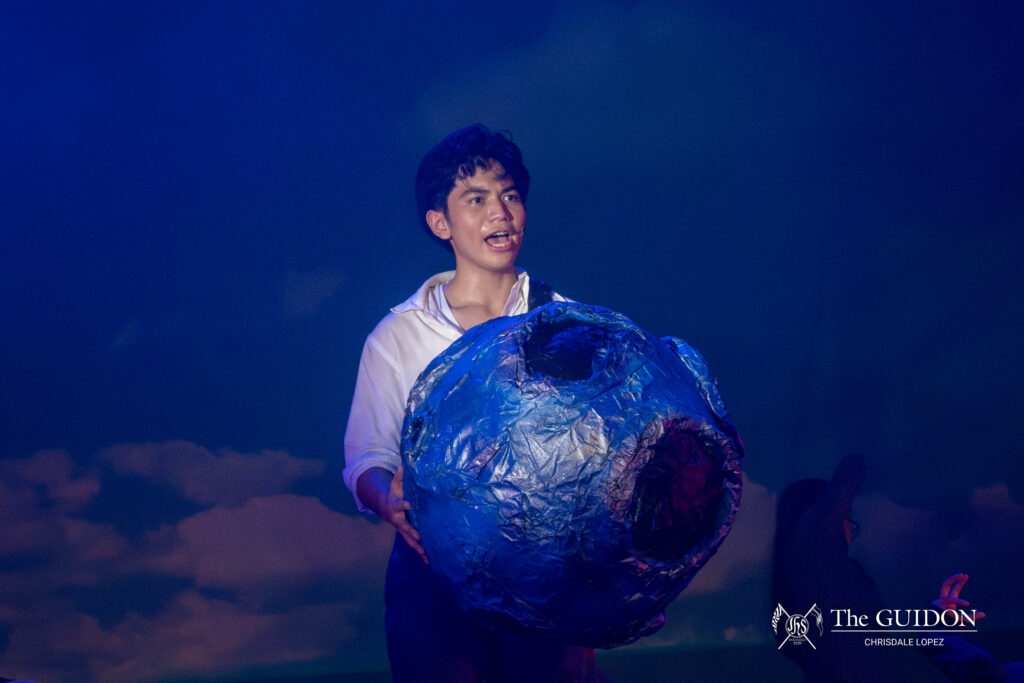
While they are set in different decades, both plays portray friends and lovers. El Bimbo paints the changing relationships within a college barkada (i.e., group of friends) in the ‘70s. Meanwhile, Eto Na! is a ‘90s coming-of-age tale of university students who team up to win a songwriting competition. Their struggles and joys are told through the music of two era-defining bands: The Eraserheads and APO Hiking Society, respectively.
Combining these relatable plotlines and catchy hits from the past, the two plays struck a chord with audiences and critics. It’s no surprise that both productions eventually staged reruns due to popular demand. Their impact can be traced to a great amount of thought, innovation, and love for what theater and local music could mean when brought together.
From song to stage
Bringing well-loved music to the stage sets high expectations for any director or playwright. Understandably, both Novenario and Guevara’s jukebox musicals started out as mere pipe dreams.
“It’s something I had always wanted to do even way back then, given the world and the stories created by the Eraserheads within their songs,” recalls Novenario. “[B]ut you know in your mind it will never happen because of how much it would probably take to create an official production.”
In the case of Eto Na!, a passing idea from a friend sparked genuine inspiration for Guevara. “Back in 2014, Boboy [Garovillo], while guesting for my production of Grease (2014), lightly suggested we make a musical using APO’s songs,” he shares. “I took it seriously because I was and still am a huge fan.”
With the motivation to move forward, both Guevara and Novenario began crafting their productions. But for any jukebox musical, one crucial part of conceptualization is song choice.
“We knew we couldn’t use all [the songs], so we chose the ones that were the most popular first,” Guevara says. “We wrote the scenes and looked for an appropriate song that could convey the same emotion.”
Handpicking tracks from the Eraserheads’ vast discography was challenging for Novenario as well. “There are times when the lyrics fit a particular situation or scene, but you know the music is too happy or too upbeat,” he explains.
However, such issues were addressed in El Bimbo with the help of musical director Myke Salomon who arranged slower songs like “Pare Ko” (1993) to be more upbeat as needed. The song “With A Smile” (1994), though a simple acoustic ballad, was also given a much grander choral arrangement for a pivotal scene.
But even with these adjustments, song choice was still a careful balance between pleasing fans and building a coherent plot for both productions. “We want to make sure the hits are there, but also try not to miss the less popular, but equally wonderful songs,” Novenario adds. “In the end, once we got our story and our characters, we go back to the drawing board and retain only those that are relevant.”
Standing the test of time
Though the inspirations for these plays hail from the yesteryears, people still find themselves experiencing something new. Many may already know the lyrics and melodies to classic OPM hits, but these jukebox musicals carry messages that stand the test of time.
Since both stories take place in the past, doing background research was a given. Interviewing people and reading up on events, culture, behavior, and the political climate were necessary steps in the creative process. This was especially the case for Eto Na!, which is set during the Martial Law era.
“We made a conscious effort to depict how [Martial Law] affected the upper middle class, which we discovered was a storyline that wasn’t popularly depicted in other plays or movies anyway,” Guevara shares. In the latter half of the play, Martial Law’s reality shows itself through difficulties the characters had to face, from curfews to censorship that could not be ignored.
Aside from portraying life under Martial Law, Guevara also hoped for younger theatergoers to appreciate the legacy of APO Hiking Society. Through the play’s run, millennials eventually expressed their love for APO’s music. “[A] lot of them proudly showed me their phones, saying [that] they’ve made Spotify playlists of APO songs already,” he recalls.
As for El Bimbo, Novenario mentions “a magical thing” about Eraserheads: Younger generations have at least some knowledge of their music, whether through the original songs still being played on the radio or covers made by newer artists. That sense of familiarity draws audiences in and leads them to a new perspective on music they already know. Through this, it becomes possible to unite regular theatergoers and new viewers into one audience—who all indulge their curiosity about what an original Filipino musical has to offer.
“These [songs] are about growing up and falling in love and other human emotions that are not bound by generation,” Novenario says. “So, I’m sure there is something that will spark that emotion [once they hear] the song in the context of the play.”
Though these songs and plays stand fine on their own, the depth of their combination will resonate with audiences for years to come. The relatability of classic OPM lyrics combined with the engaging stories of simple people with complex lives proves that art can transcend time. At present, musical storytelling gives us a closer look into ourselves, our past, and our love for music as Filipinos.
 Exposé