
 TV & Film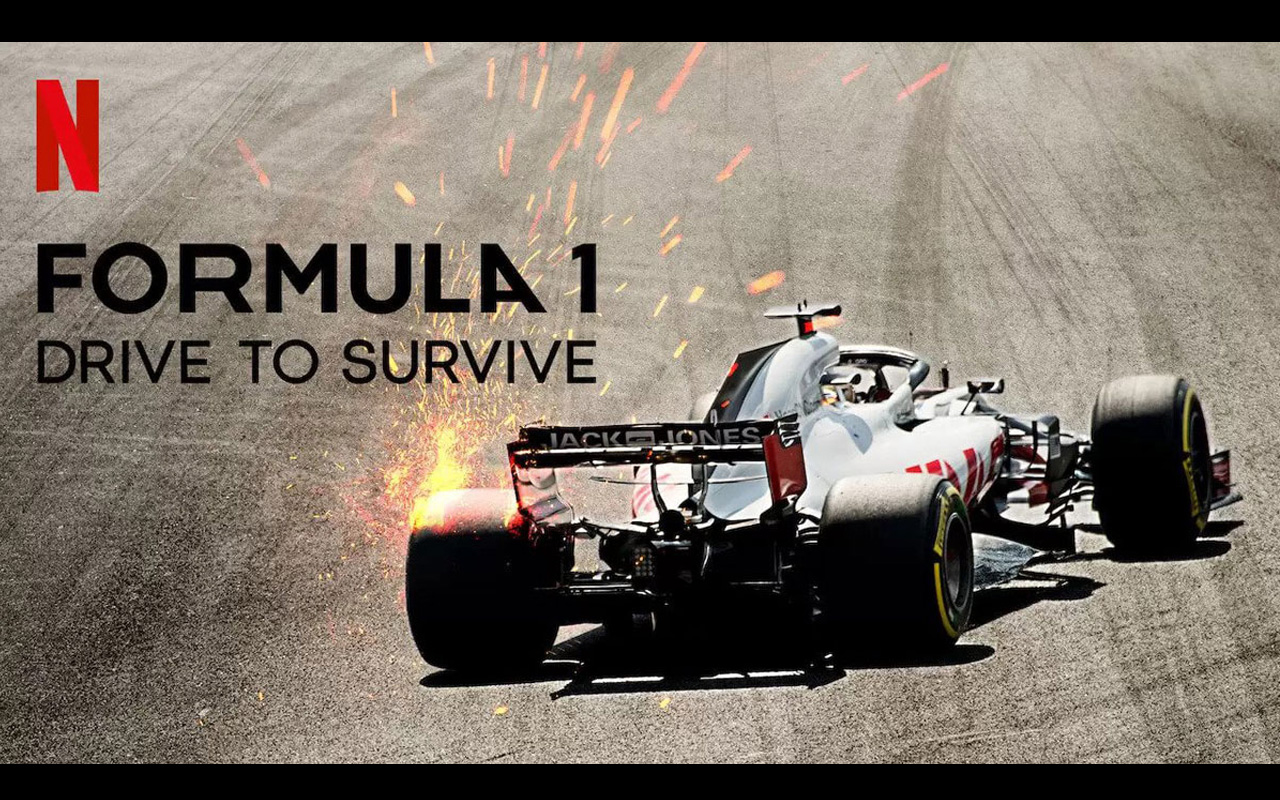
Netflix’s third installment of Formula 1: Drive to Survive continues the docuseries’ attempt to grant viewers a glimpse into Formula 1’s drama beyond race results. While its first two seasons are not without controversy—with drivers critiquing its overt sensationalism—Netflix managed to showcase an exciting albeit occasionally fabricated side of the sport. The series’ focus on paddock characters’ personal narratives provides its audience with personalities to root for and against, and its third season is no exception.
However, the series’ third installment delivers an underdeveloped retelling of the action-packed 2020 season. Netflix remains attached to its prior seasons’ formula. It still treats its audience as if they’re encountering the sport for the first time, bogging down episodes with reporter Will Buxton’s redundant explainers. The series remains heavily reliant on grandstand insert cuts and Michael Bay-esque sound design to create tension. While that strategy may have been effective when presenting the glitz and glamour of the 2018 Monaco Grand Prix, a beat drop can only do so much to spice up 2020’s empty paddock.
In addition, COVID-19 protocols limited Netflix’s filming capacity, which may explain the series’ questionable narrative choices. Though some episodes are purpose-driven and substantial, others are contrived and pointless. Instead of dedicating episodes to events worth covering—such as George Russell’s Mercedes drive or the Williams family’s exit—the series chose to pit McLaren’s drivers against each other by using out of context radio clips and innocent jokes framed as intentional jabs.
On the other hand, there are several stand-out storylines; one of note being Valtteri Bottas’ Russian Grand Prix, as the series challenges his second driver characterization. Bottas reveals his cunning side on the show and is rewarded with a well-deserved race victory.
The season’s redeeming factor is ultimately evidenced in its ability to evoke sentimentality by building on narratives introduced in its previous seasons. For instance: Pierre Gasly’s suffering, from being demoted and losing his best friend, is painfully chronicled in the show’s second season. This makes his first Formula One victory an even more satisfying watch. The series contrasts Gasly’s accomplishments to Alex Albon’s difficulty filling in Red Bull’s second seat. In doing so, the series gives Gasly a fully realized redemption arc without overlooking the agony that got him there.
In fact, the season’s most eventful and emotionally charged episode is arguably its strongest one. The series’ portrayal of Romain Grosjean’s huge crash and rescue allows viewers to relive the horrific experience. Video footage of his car engulfed in flames is accompanied by the drivers’ concerned radio messages and clips of the paddock circus looking on. The episode dedicates around five minutes to this scene alone, despite Grosjean’s actual escape being under 30 seconds. Its lengthy depiction is called for—in an interview for the episode, Grosjean’s wife recalls how slowly time passed in that moment and how it led her to believe that he was dead. There’s nothing quite like the relief of seeing Grosjean smile and joke about being: “The man who walked out of fire,” after the incident as his wife rolls her eyes.Overall, Formula 1: Drive to Survive’s third season may be significantly flawed, but it just about delivers a moving recount of the 2020 race calendar’s events. While it’s nowhere near comprehensive and a little rough around the edges, it’s successful in conveying a story compelling enough to binge before the 2021 race season begins.