
 TV & Film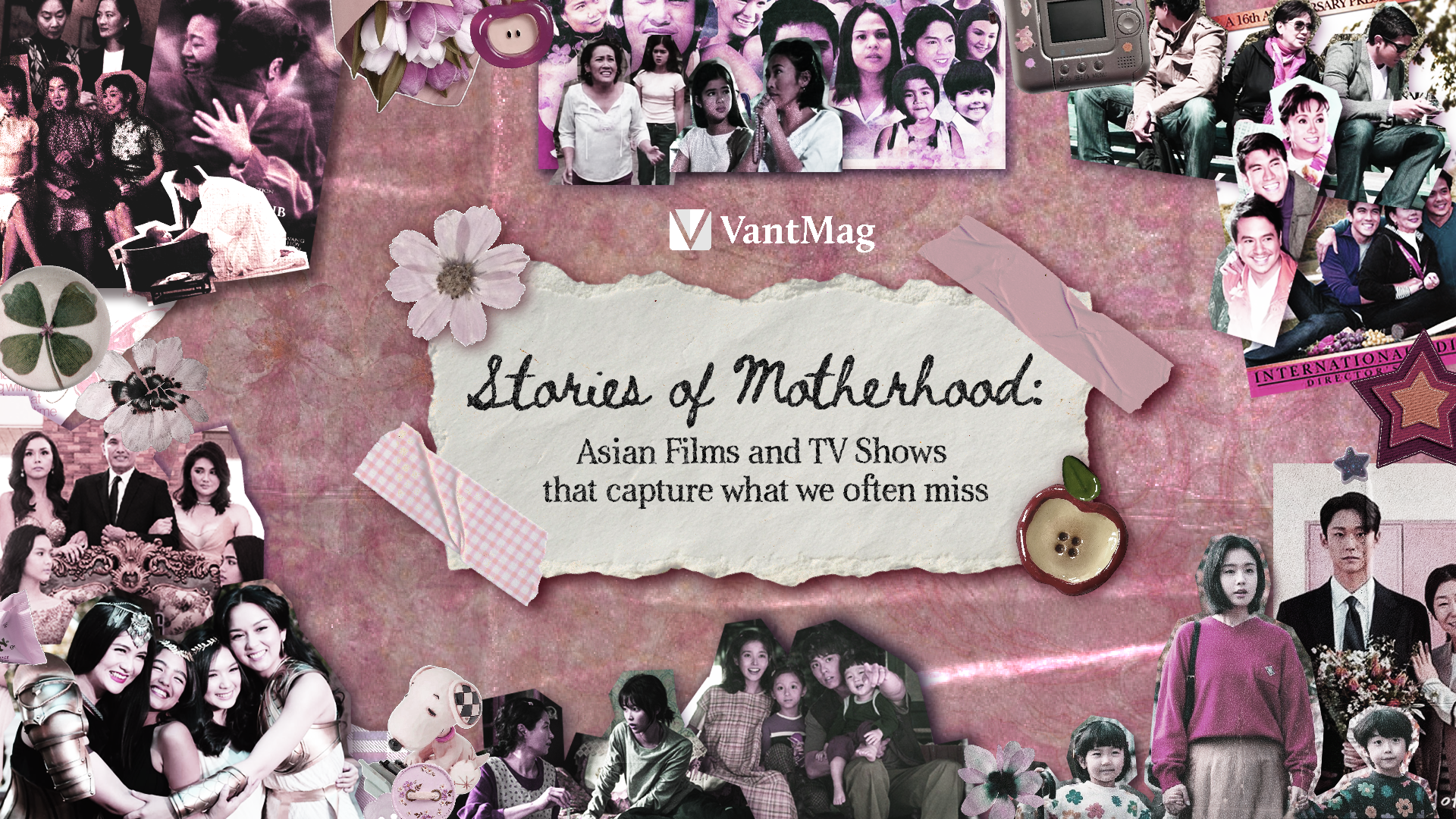
NOT ONE role fits a single mold, just as different mothers have different relationships with their children. In a world where mothers are stereotyped as perfectly nurturing and selfless, it becomes easy to long for stories that flesh out the rawness of real motherhood. After all, love and care can also have their own consequences.
Although films and TV shows continue to display usual heartwarming portrayals of motherhood, there have also been a lot of stories that reflect the nuanced relationships between a mother and her child. Here are six recommendations for viewers on the search for layered and relatable depictions of family dynamics, particularly in an Asian household.
Films
Ang Tanging Ina
We often remember Ang Tanging Ina for the comedy and chaos, mainly shown by Ai-Ai delas Alas’s performance of Ina Montecillo. But at the rear of every punchline is a mother doing the impossible: raising 12 children while also facing grief, bills, and burnout. This exhaustion is what watchers miss, more so because it is hidden behind that iconic Pinoy humor. However, Ina isn’t just being “funny,” she’s overwhelmed and expected to keep going anyway.
The film shifts away from the notion of the “perfect mom” who supposedly has all things figured out and portrays something more grounded in reality: a mother who messes up, breaks down, but still manages to show up. A testament to show that motherhood isn’t always graceful—sometimes, it’s simply survival.
Recommended for: Viewers who find appreciation in emotionally grounded stories that use humor to reveal struggles and resilience.
The Joy Luck Club
Spanning generations and continents, The Joy Luck Club traces the emotional distance between mothers and daughters shaped by different worlds. The film lingers in what is left unsaid as it revolves around four older Chinese immigrant mothers who came to America and their daughters, who ultimately grew up in completely different worlds. It reflects on the expectations, sacrifices, and histories that quietly shape their relationships.
The movie travels with the narrator June (Ming-Na Wen), one of the daughters, as she visits China for the first time. Here, she uncovers the secrets and stories of her mother and aunts while the audience watches through flashbacks. Rather than presenting motherhood as purely nurturing, the film reveals it as something inherited, complicated, and often misunderstood.
Recommended for: Viewers drawn to stories about memory and generational tension.
In My Life
Be it in the busy and up-paced New York or in an ordinary Manila home, In My Life’s Shirley Templo (Vilma Santos) is forced to face the reality that her children have grown unrecognizable, shown by how unaware she is of their dreams, interests, and lives.
As a public school librarian, Shirley is accustomed to being in control and having things go her way, extending even to her role as a matriarch. However, having absolute control is not as easy at home as it is at work—no matter how much she wants to dictate her children’s destinies, they remain out of her hands. The film shows that even the seemingly best mothers can make mistakes that could limit potential and sever relationships. Here, motherhood is portrayed as a journey full of imperfections, with lessons that sometimes come a little too late.
Recommended for: Viewers who resonate with bonds where regret and acceptance are key.
TV Shows
When Life Gives You Tangerines
Set against the rhythms of everyday life, When Life Gives You Tangerines portrays motherhood through quiet endurance, spanning nearly fifty years worth of life across three different generations—beginning with Oh Ae-sun (IU).
Rather than relying on dramatic confrontations or sweeping declarations, the series finds meaning in routine, such as small acts of care, sacrifices that often go unnoticed, and love expressed more through persistence than words. As Ae-sun grows from a spirited young woman into a mother navigating hardship, responsibility, and change, the drama reflects on how motherhood is slowly shaped not only by affection but also by time, loss, and resilience.
Recommended for: Viewers drawn to slow-paced stories that find beauty in ordinary lives.
Kandenang Ginto
You may remember Kadenang Ginto for its iconic lines and meme-worthy scenes, but it actually hits deeper once you see how they portray motherhood. Contrastingly, Romina (Beauty Gonzalez) is viewed as the compassionate protector of Cassie (Francine Diaz), while Daniela (Dimples Romana) is perceived as intense, demanding, and recklessly devoted to Marga (Andrea Brillantes).
The show provides this juxtaposed perspective of how mothers approach their role in the family. Romina, in contrast, is portrayed as the more compassionate and steady presence for her daughter, often embodying care and restraint even in moments of conflict. While many people find Daniela’s character irritating, her love for her child isn’t absent—it’s just intense, complicated, and at times, harmful. Kadenang Ginto reminds viewers that motherhood can both nurture and wound.
Recommended for: Viewers who appreciate character-driven stories that analyze messy, often uncomfortable realities.
Good Bad Mother
The Good Bad Mother complicates the idea of sacrifice by asking what it costs both the parent and the child. Centered on Young-soon (Ra Mi-ran), a single mother who raises her son with strict discipline in hopes of protecting him from hardship, the series explores how love can slowly harden into control, resentment, and emotional distance. Through a story shaped by regret, grief, and second chances, the drama examines the difficult line between caring for someone and shaping their life for them.
Motherhood here is not gentle or idealized, but marked by difficult choices and their lasting consequences—revealing how even care rooted in love can sometimes create distance instead of comfort. Recommended for: Viewers drawn to emotional stories about regret, healing, and learning how to reconnect.
More than a title
Society has ingrained in itself the expectation that a mother is always perfectly strong and selfless, able to carry the world on her shoulders for the sake of her children.
These stories divert this impossible expectation and push audiences to see beyond the title of “mother” and recognize the human behind it. Every mother is different, with her own cross to bear, choices to make, and children to raise. Despite all differences, one thing remains constant: each mother is shaped by the love she has to offer to her family, however imperfect that may be.