
 TV & Film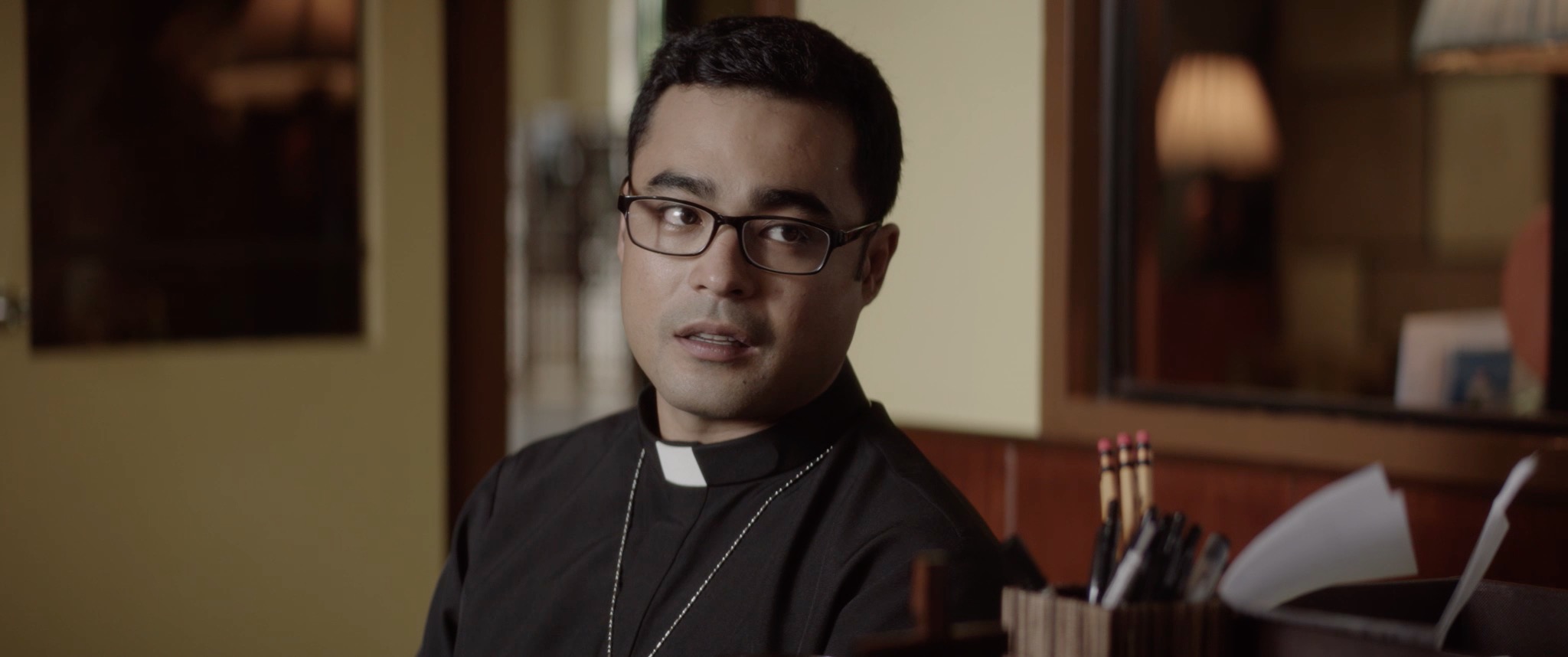
A classic detective tale keeps the stakes high, teasing you with suspects and suspense before the final reveal. Beyond the particulars of a murder mystery, however, Smaller and Smaller Circles goes further to reveal some striking ills of Philippine society. There are bureaucracies exposed, conspiracies debunked, and perspectives examined from all walks of life—so much so that the plodding two-hour runtime is justified in some ways.
Firm roots
The film’s source material paints 1997 Manila as a city of both possibility and hypocrisy. On one hand: A pair of Jesuits lending their forensic aptitudes to a string of murder cases. This is a curious set of crimes, committed in a similarly gruesome fashion (faces peeled off, genitalia and vital organs removed) to impoverished, young boys in Payatas. On the flipside, Fr. Gus Saenz, SJ (Nonie Buencamino) and Fr. Jerome Lucero, SJ (Sid Lucero) have disbelieving, corrupt authorities to deal with in addition to a looming serial killer. The scenario is a page out of author F.H. Batacan’s experiences in a government intelligence agency, where the frustrating politics governing the system informed her Palanca award-winning manuscript.
Since then, “the Philippines’ first Western-style crime novel” (marketed by its publishers as such for its investigative format) has lived two lives: First as a novella published by the University of the Philippines Press in 2002, then an expanded international edition by Soho Press in 2015. The latter adds more nuance to the forces at work, with more tussles among officials in the National Bureau of Investigation (NBI), a look into abuses by the clergy, and extended interactions with Payatas residents. Despite the newfound length, the story remained as sharp as it ever was, tensions heightened with alternate passages in the killer’s point-of-view. This was a literary precedent set through pacing, as the clues raced towards a deeper understanding of—and even sympathy for—the culprit.
Translating the thrill
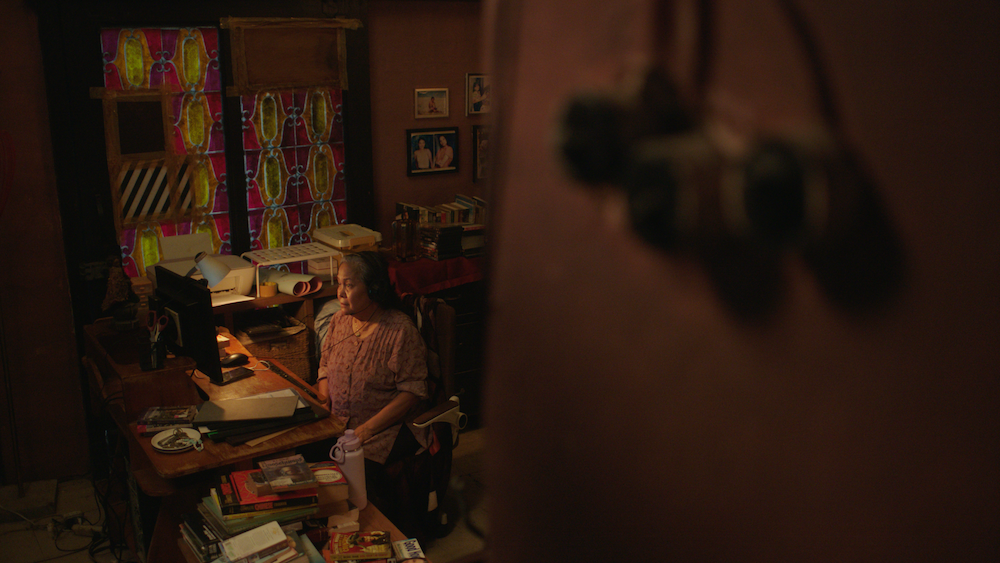
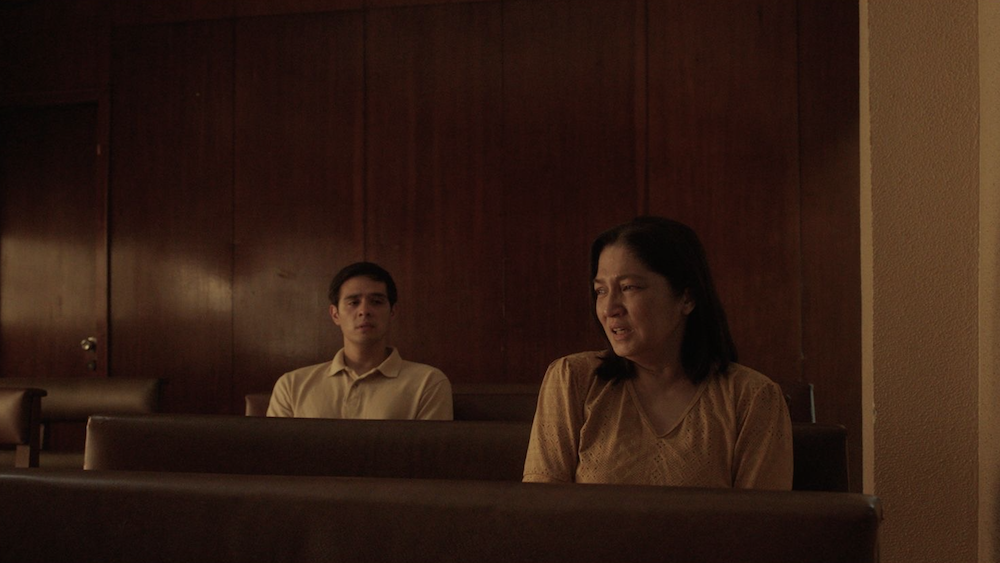
Raya Martin’s film only captures that breakneck race for the truth to a certain extent. Aesthetically, the scenes draped in dark hues and haunting melodies from the Loboc Children’s Choir may be eerie enough for the events to take place. (Almost every picture of the killer’s abode has blinds drawn, orange light just filtering into the room, and rain pounding the windows.) Though the atmosphere aptly builds tension, Martin’s preference for slower, experimental arthouse pieces (he cites Akiro Kurosawa’s Dreams as a filmmaking influence) stretches the story. The foreboding tightness of the novel unwinds in the film, especially when establishing shots seem to buffer the movie for its first two-thirds. For one, gratuitous use of voice-overs marks a dragging conversation between the two priests via instant messages. Viewers sit through a short dinner scene just for journalist Joanna Bonifacio (Carla Humphries) to announce her tiredness from work. Later on, instead of being left to their own guesswork, audiences have the answers laid out through long-winded dialogues between Saenz and Lucero. When the motions of investigation happen so routinely, even the interspersed murders fail to inject the sense of urgency desperately needed in an effective crime drama.
With the pace to a crawl, it’s the performances that carry the stakes. Nonie Buencamino plays a convincing Saenz, adapting the priest’s swagger and stoicism in equal parts for the big screen. There’s rock music when he does an autopsy (because a crime-fighting Jesuit is a bit of a rock star), but silence when he’s mulling over the case, save for his musings to himself. Saenz goes from simmering anger in the face of corruption, to pensive when confronted with questions about God—and Buencamino allows the emotions to play out exquisitely. As Saenz’ protégé, Father Jerome seems a bit more passive, only raising his voice in classroom lectures or to the NBI. The foil to Sid Lucero’s blank expressions is Humphries, whose tough-as-nails Bonifacio comforts victims’ families yet jumps into the fray for the sake of reportage.
Most importantly, Smaller and Smaller Circles examines how those on the fringes of society are swept under the rug. The priests and Bonifacio discover the grisly details of murder, but none so chilling as what Saenz observes. “These boys, it’s almost as if they don’t matter,” he remarks. “Nobody is watching.” Powerful social forces come to light, as well as their lack of concern for the investigation. It isn’t just law enforcement that comes under fire, but the Church as well, even with Jesuits as the story’s protagonists.
Compare the film’s setting to today’s current events, and the resemblance through the decades is uncanny. Moreover, the resemblance is purposeful, an invitation to “look closer” at the body count behind the news, as its promotional tagline suggests. Indeed, Martin’s Smaller and Smaller Circles has more talk than thrill, but it still leaves audiences thinking with regard to societal issues—and perhaps that is the greater matter in the grand scheme of nation-building.
Rating: 3.5/5
Featured photo retrieved from rappler.com